Address
304 North Cardinal St.
Dorchester Center, MA 02124
Work Hours
Monday to Friday: 7AM - 7PM
Weekend: 10AM - 5PM
Address
304 North Cardinal St.
Dorchester Center, MA 02124
Work Hours
Monday to Friday: 7AM - 7PM
Weekend: 10AM - 5PM

As an important resource, oil has a pillar position in the global economic development. The pollution caused by the development and use of petroleum resources is also a major headache for the whole world.
The oil spill in the Gulf of Mexico shocked the world, resulting in a serious ecological disaster, so that countless creatures have been wiped out, the coastal ecology has suffered great damage, but also made the environmental problems in the process of oil production caused public concern. In fact, in the production process of the oil industry, in addition to the direct environmental pollution caused by crude oil leakage caused by accidents, the oily sludge generated in the process of oil exploitation and processing is also an important source of pollution, and will cause continuous harm to the surrounding ecological environment.
Oily sludge, referred to as oily sludge, is the oily solid waste produced in the process of oil exploitation, transportation, refining and oily sewage treatment. It is an emulsion system which is firmly bonded together by petroleum hydrocarbons, colloids, asphaltenes, mud sand, inorganic floc, organic floc, water and other organic and inorganic substances.
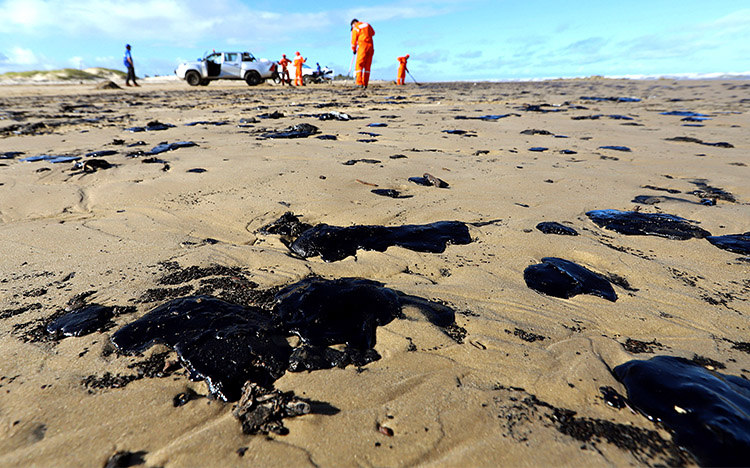
Oily sludge is mainly produced in oil fields and refineries, and is divided into three types, namely landing sludge, gathering sludge and refinery sludge. In the process of oil field development, especially oil production and underground operation, some crude oil is sprayed or carried to the surface by tubing, sucker rod, pump and other underground tools, and then permeates into the ground soil. Gathering and transportation sludge is some oil mud produced in the natural settlement of oil storage tank, also known as tank bottom mud; Refinery sludge can be divided into three types, which are grease trap bottom mud, dissolved air flotation scum and residual activated sludge, among which the flotation scum is the largest, accounting for 80% of the total amount of the three sludge.
The composition of oily sludge is very complex, containing a lot of aging crude oil, solid suspended matter, and bacterial solid waste, of which crude oil is the main component. There are hundreds of toxic and harmful compounds in the sludge, some of which (polycyclic aromatic hydrocarbons, etc.) have “three causes” effect. In addition, oily sludge often contains benzene series, phenols and other substances. The United States Environmental Protection Agency (EPA) has listed it as a priority pollutant, and there are strict limits on its discharge, and China has also listed the sludge on the National Hazardous Waste List.
Characteristics of oily sludge: The oil content of general oily sludge is about 10%-50%, and the water content is about 40%-90%. High viscosity, difficult to settle, poor dewatering effect, fine solid particles of sludge, small density difference between oil and water, these are the main reasons for the large viscosity of oily sludge and difficult to remove oil dehydration.
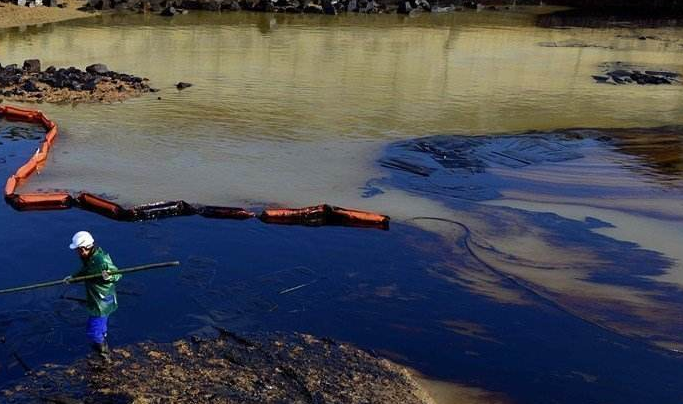
Oily sludge because of its large size, and contains a large number of toxic substances, direct discharge will occupy a large area of land, accompanied by a very unpleasant smell, the nearby soil, plants, water, air caused serious pollution, and ultimately to the human body has a great harm.
Hazard 1: Affects the nature of the soil
When the petroleum hydrocarbons and other substances in the oily sludge penetrate into the soil, they will stick on the surface of the soil particles, directly affecting the permeability of the soil, thereby blocking the soil water conduction path, resulting in the decrease of soil water seepage and permeability, and finally changing the nature of the soil, directly threatening the survival of microorganisms in the soil.
Hazard 2: harm plant growth and development
The inside of plant tissues can be penetrated by low molecular hydrocarbons in oily sludge, thus destroying the normal physiological mechanism of plants. However, the polymer hydrocarbons in the oily sludge will easily form a viscous film on the surface of the plant, which will directly block the stoma of the plant, seriously affect the water absorption, respiration and photosynthesis of the plant, and eventually cause the root rot of the plant, and the destruction of vegetation will lead to the breakdown of the food chain in the ecosystem. It causes the most primary producers in the ecosystem to lose their ability to produce organic matter and oxygen.
Hazard 3: pollution of water
Petroleum pollutants in oily sludge will directly affect drinking water resources and groundwater resources and endanger human life safety. In addition, improper disposal of oily sludge may cause oil pollutants to gather in water bodies, such as wharfies, ports, river banks, etc., damaging the water environment.
Hazard 4: Harm to air quality
Low boiling point organic pollutants in oily sludge are easily volatilized into the air, and harmful substances such as organic sulfides, benzenes and phenols have carcinogenic, teratogen and mutagenic effects. As they enter the human body with respiration, they directly cause serious harm to the lungs, stomach, respiratory system and nervous central system of the human body.
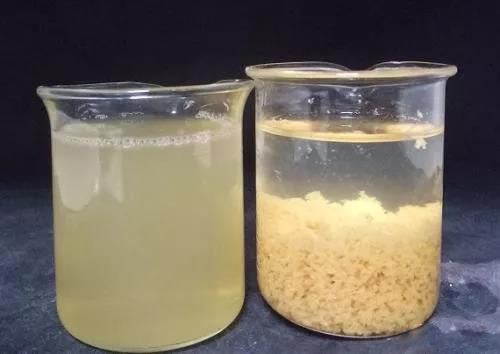
If the oily sludge is not properly treated, it will cause a huge waste of resources, but also cause irreparable damage to the environment. Therefore, the use of appropriate treatment methods for the recovery and harmless treatment of oily sludge can not only reduce environmental pollution, but also achieve the purpose of resource reuse.
RIXIN is committed to the research and development of chemical additives in the oil refinery industry, including reverse-phase demulsifier and settler for oil pollution treatment, to help solve the problem of oil sludge treatment at a certain stage.
