Address
304 North Cardinal St.
Dorchester Center, MA 02124
Work Hours
Monday to Friday: 7AM - 7PM
Weekend: 10AM - 5PM
Address
304 North Cardinal St.
Dorchester Center, MA 02124
Work Hours
Monday to Friday: 7AM - 7PM
Weekend: 10AM - 5PM

Polyaluminum chloride (PAC), also known as basic aluminum chloride or hydroxyl aluminum chloride, is an inorganic substance, mainly used as a coagulant, the role is to compress the electric bilayer of colloids in wastewater to achieve coagulation.
Polyacrylamide (PAM), the average molecular weight from thousands to tens of millions of may, is an organic polymer compound, is a polymer flocculant, mainly used as a flocculant or coagulant aid. Its function is to make the flocculant in the sewage larger,
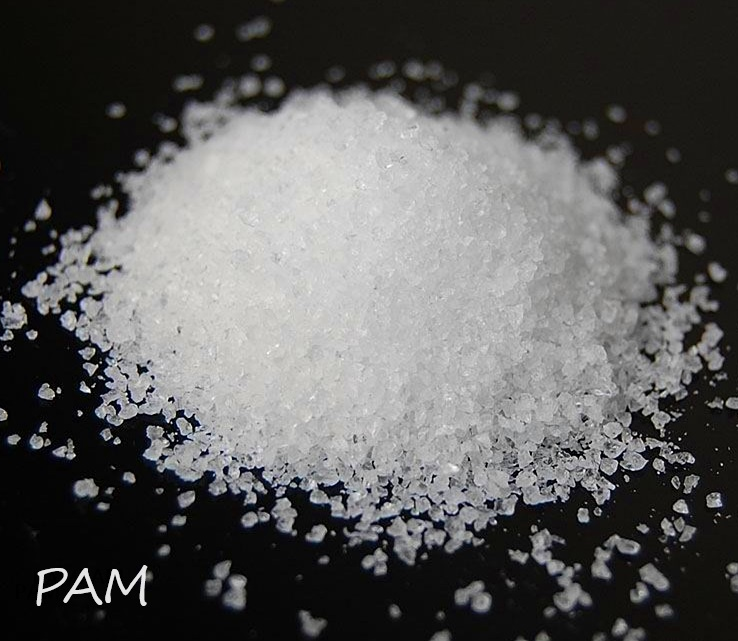
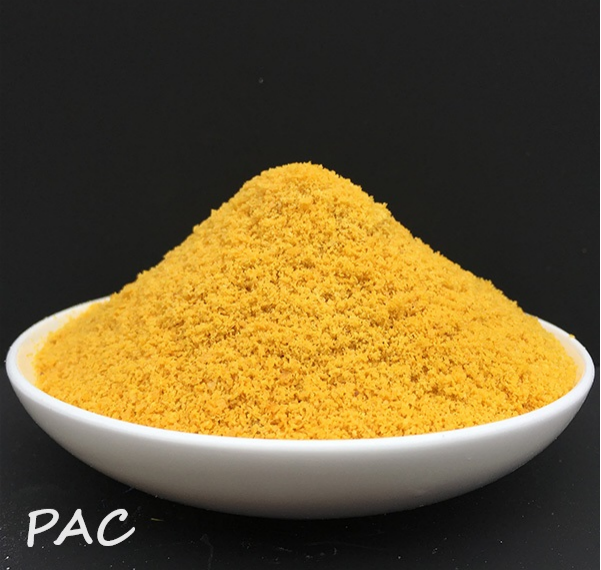
accelerate the flocculant particles in the sewage precipitation.
In actual use, the difference between PAC and PAM is mainly reflected in four aspects:
1, the color is different, PAC color is more, white, yellow, tan. PAM is only white. The brown in PAC is because it is mixed with iron, the whiter the color, the less iron powder, and the water treatment industry does not need to be so pure, so we see the most yellow brown. Iron-doped powder is beneficial to neutralize the charge on the surface of suspended particles and is easier to flocculate.
2. Different flocculation mechanism. PAC flocculates because it forms a network when it enters the water, holding small solid particles together. PAM can flocculate because after entering the water, it can break the electrical balance between small particles, so that the solid particles in the wastewater can come together on their own. If you use the professional term, the flocculation mechanism of PAC is the rolling mechanism. The flocculation mechanism of PAM is electrical neutralization mechanism and bridging flocculation mechanism.
3. Different methods of use. Before PAC is used, the solid should be prepared into a solution with a concentration of 10-20%, and then poured into the pool, which is easy to use and has no special requirements. Before PAM is used, the solid should be configured with clean water into a solution with a concentration of 0.1-0.3%, and it will be slowly poured into the pool, which will block the pipeline, and it is easy to store and deploy. PAM will degrade by itself when it is fine, and it will fail if it is put in a good solution for a period of time, and iron cannot be contacted during transportation and storage, because iron ions are catalysts for the chemical degradation of PAM.
4. Different dosage. The amount of PAC is generally 200-300PPM, that is, 200-300mg per liter of wastewater on average. The amount of PAM is generally 3-10PPM, which is an average of 3-10mg per liter of wastewater. PPM stands for parts per million, 1PPM=0.001‰, and is used at very low concentrations.
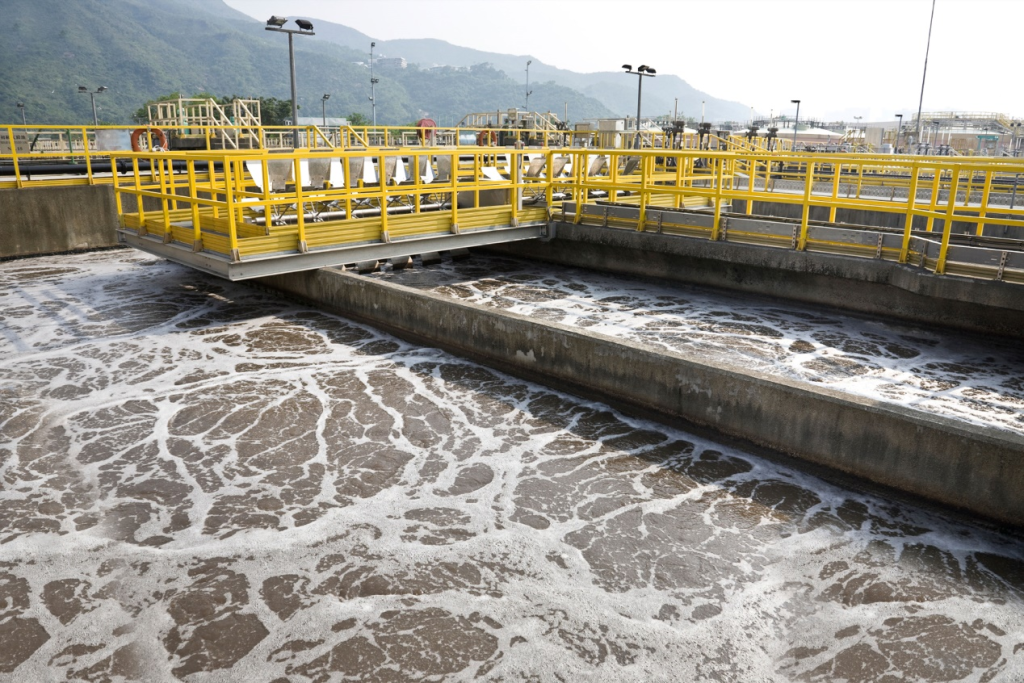
Although the settlement effect of polyaluminum chloride is poor compared with polyacrylamide, the use of spray drying products can ensure safety, reduce water accidents, and is very safe and reliable for residents to drink water.
In addition, there is another flocculant, polyferric sulfate, an efficient water purification flocculant, its main role is to let the small matter in the sewage flocculate together, and then precipitate to the bottom, so as to purify the water. It is a kind of inorganic polymer coagulant with superior performance. Its morphological properties are light yellow amorphous powder solid, easily soluble in water, and 10% (mass) aqueous solution is a red brown transparent solution with hygroscopity.
The phosphorus removal effect of polyferric sulfate is better than that of polyaluminum chloride, and the chloride ion in water will also reduce the flocculation reaction of aluminum salt, and the addition of the two agents will correspondingly reduce the degree of alkalization of the water body, but the alkalization base of polyaluminum chloride is higher than that of polyiron sulfate, and the solidification effect of polyaluminum is worse than that of polyiron.
Polyferric sulfate has seven features:
1. New, high quality, high efficiency ferric salt inorganic polymer flocculant;
2. Excellent coagulability, dense alum, fast settling speed;
3. Excellent water purification effect, good water quality, no harmful substances such as aluminum, chlorine and heavy metal ions, no water phase transfer of iron ions, non-toxic, harmless, safe and reliable;
4. Turbidity removal, decolorization, deoiling, dehydration, bacterialization, deodorization, algae removal, COD removal, BOD removal and heavy metal ions in water and other effects are significant;
5. The PH range of the water is wide, 4-11, and the best PH range is 6-9. The PH value and total alkalinity of the raw water after purification are small, and the corrosion of the treatment equipment is small;
6. The purification treatment effect of micro-pollution, algae, low temperature and low turbidity raw water is remarkable, and the purification effect of high turbidity raw water is especially good;
7. Low dosage, low cost, treatment costs can be saved by 20%-50%.
Whether it is acrylamide, polyaluminum chloride or polyferric sulfate, only by choosing the right agent for the applicable water quality can the ideal treatment effect be achieved. It is not only necessary to consider the treatment cost comprehensively, but also to refer to the water treatment standards and the actual sewage quality. It is suggested that under the guidance of professionals or manufacturers, comprehensive analysis of the situation, choose the more suitable flocculant.
