Address
304 North Cardinal St.
Dorchester Center, MA 02124
Work Hours
Monday to Friday: 7AM - 7PM
Weekend: 10AM - 5PM
Address
304 North Cardinal St.
Dorchester Center, MA 02124
Work Hours
Monday to Friday: 7AM - 7PM
Weekend: 10AM - 5PM

In the chemical industry, Sodium Lauryl Ether Sulfate (SLES) is a widely used surfactant with various applications. This article delves into the definition, uses, preparation methods, and its applications in different industries. Additionally, it explores the efficacy of SLES in daily life, its contribution to national development, and a comparison with similar chemical products.
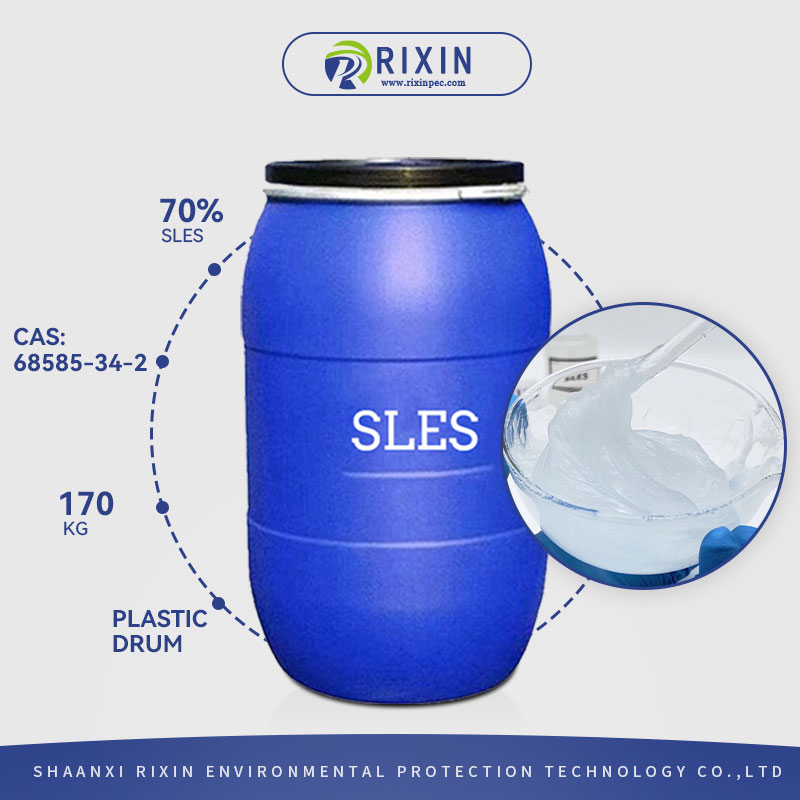
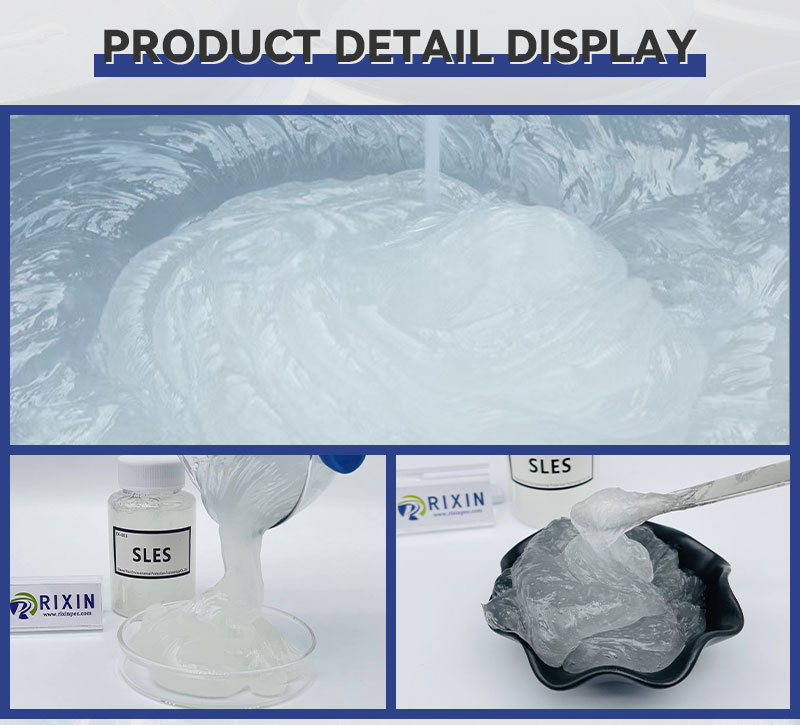
SLES is an anionic surfactant, chemically known as Sodium Lauryl Ether Sulfate. It is a synthetic compound typically derived from petrochemical raw materials. SLES appears as a milky to yellowish viscous liquid, soluble in water, forming a stable emulsion.
SLES is commonly used in the production of detergents and cleaning agents, such as shampoos, shower gels, and hand soaps. Its excellent foaming and cleaning properties make it a key component in various daily cleaning products.
In the industrial sector, SLES is extensively used in the manufacturing of industrial cleaning agents for cleaning machinery, pipelines, etc. Its powerful degreasing ability positions it as a crucial choice in the field of industrial cleaning.
SLES is also prevalent in the production of cosmetics, enhancing foaming and cleansing effects in products like facial cleansers and toothpaste.
In the pharmaceutical industry, SLES serves as an auxiliary ingredient, improving the solubility and dispersibility of drugs, thereby enhancing drug absorption.
The preparation of SLES typically involves the synthesis of lauryl ether, followed by a reaction with sulfuric acid to form the sulfate ester. Finally, neutralization with sodium hydroxide yields Sodium Lauryl Ether Sulfate.
Despite its widespread use, high concentrations of SLES can potentially impact the environment and health. Therefore, adherence to relevant environmental and safety standards is crucial to ensure its responsible use in production and application.
As a key ingredient in personal care products, SLES imparts excellent cleaning properties to items such as shampoos and shower gels. Its superior degreasing and foaming properties ensure the easy removal of oils and dirt, providing a refreshing user experience.
In household cleaning agents, SLES finds extensive use in products like dishwashing liquids and laundry detergents. Its exceptional degreasing capability makes household chores more manageable, ensuring no residue is left behind after cleaning.
SLES doesn’t only play a role in households but is also crucial in industrial settings. In industrial cleaning and maintenance, SLES is widely used for cleaning machinery and pipelines, ensuring the normal operation and prolonged lifespan of equipment.
SLES also has applications in the medical field, serving as an auxiliary ingredient to improve the solubility and dispersibility of drugs, enhancing drug absorption.
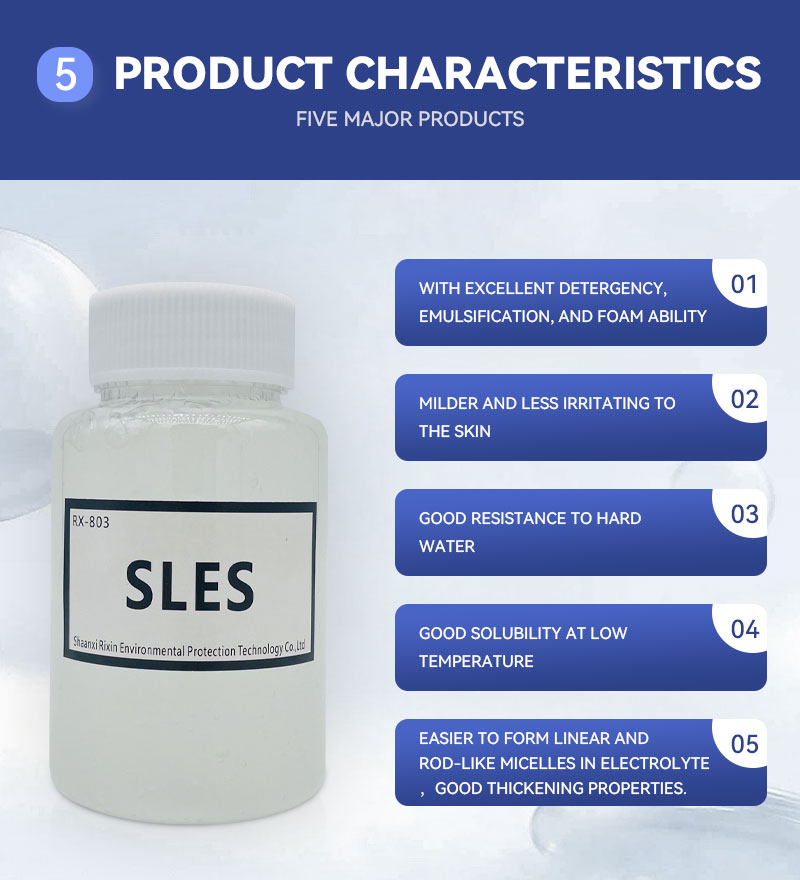
SLES (Sodium Lauryl Ether Sulfate) compared to SDS (Sodium Dodecyl Sulfate) is a common surfactant. SLES exhibits better water solubility, forming a more stable emulsion. This makes SLES more common in cleansers and personal care products due to its superior performance in hard water conditions.
Compared to Linear Alkyl Benzene Sulfonic Acid (LABSA), SLES is more soluble in water and produces more stable foam. The richer foam produced by SLES makes it more common in cleaning products and detergents, while LABSA is often used in industrial cleaning agents.
Relative to some other sulfate surfactants, SLES is considered to be more environmentally friendly. However, responsible usage and adherence to environmental and health standards are crucial for any surfactant to ensure sustainability.
SLES, as a significant chemical product, plays a positive role in national economic development. Its widespread applications not only drive the growth of related industries but also provide society with various cleaning and personal care products. The following are the major contributions of SLES to national economic development:
As a key component in personal care and cleaning products, SLES directly stimulates demand in these sectors. Increasing focus on cleanliness, hygiene, and beauty among consumers propels the development of related product markets, contributing significantly to national economic growth.
The production of SLES involves multiple stages, including raw material procurement, manufacturing, packaging, and logistics, forming an extensive industry chain. This not only creates employment opportunities but also fosters the development of related industries, including chemical raw material suppliers, production enterprises, and the packaging industry.
Given its global applications, the export of SLES contributes to significant foreign exchange earnings. Countries with high-quality SLES production capabilities gain a competitive advantage in international markets, facilitating the development of international trade for the nation.
To meet market demands and improve competitiveness, SLES production enterprises continuously engage in technological innovation and process enhancement. This technological progress not only improves product quality but also injects new energy and vitality into the entire national chemical industry.

SLES, as a multifunctional chemical product, plays a crucial role in daily life. Its widespread applications in personal care, household cleaning, industrial cleaning, and pharmaceuticals not only drive the development of related industries but also make significant contributions to national economic growth and international trade promotion. However, while enjoying its convenience, attention must be paid to the environmental and health impacts of SLES to ensure its sustainable development and safe usage.
