Abstract: This report aims to systematically study and investigate the application of sodium gluconate in the field of petrochemicals. Through literature review and on-site surveys, a comprehensive understanding of the properties, preparation processes, and potential applications of sodium gluconate in petrochemical production is presented. The analysis of existing research and practical cases provides theoretical and practical support for the wider application of sodium gluconate in the petrochemical industry.
Introduction Sodium gluconate is an important organic salt with excellent water solubility and surfactant properties, making it a promising candidate in the petrochemical industry. This report explores the potential application value of sodium gluconate in petrochemicals by studying its physicochemical properties, preparation methods, and relevant application cases.
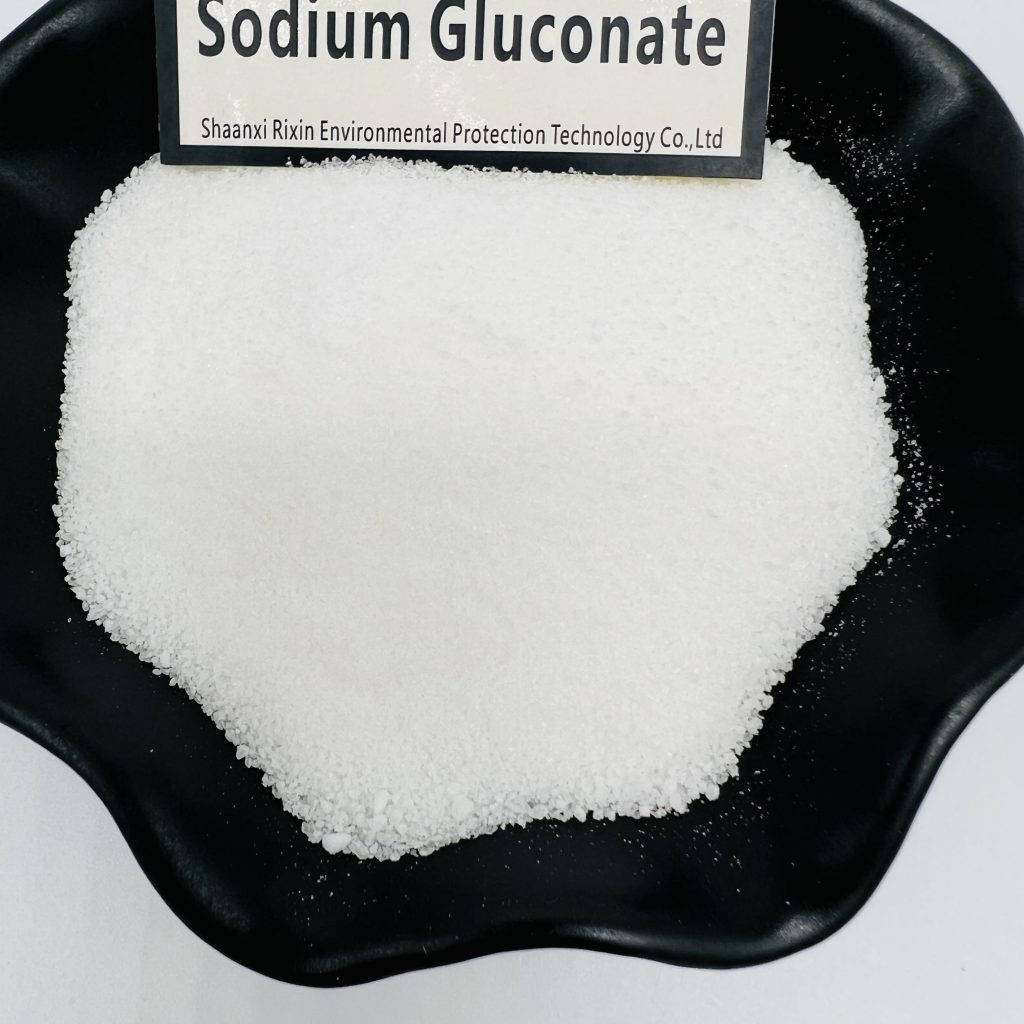
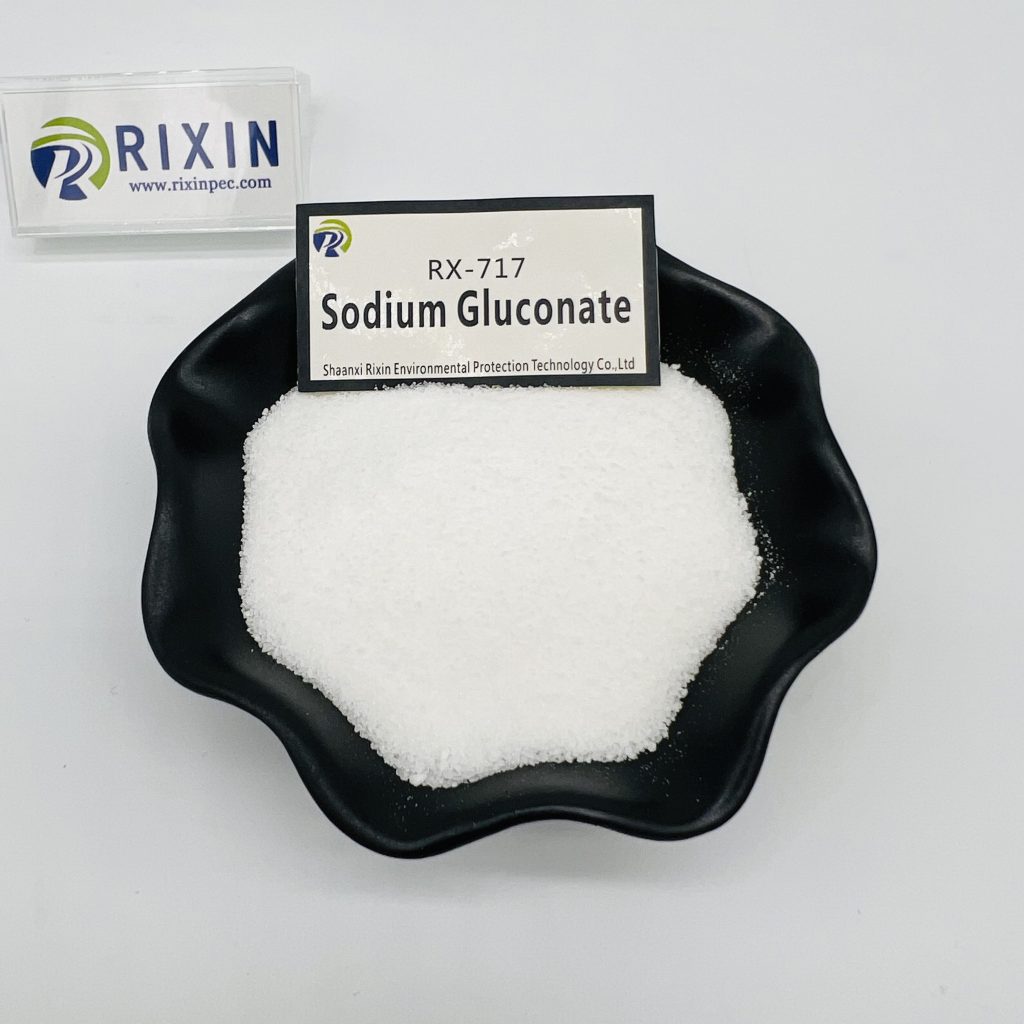
Properties and Preparation of Sodium Gluconate 2.1 Physicochemical Properties Sodium gluconate is a colorless crystalline powder that is readily soluble in water, forming an acidic solution. Its surfactant properties make it effective in applications such as emulsifiers and demulsifiers.
2.2 Preparation Methods The production of sodium gluconate primarily involves the reaction of glucose with alkaline substances to form the corresponding salts. The choice of preparation method significantly influences the properties and applications of sodium gluconate, necessitating a comprehensive consideration of factors such as raw material costs and reaction efficiency.
Application of Sodium Gluconate in Petrochemicals 3.1 Surfactants Due to its excellent surfactant properties, sodium gluconate can be used as an oil-water separator and emulsifier, enhancing the efficiency of oilfield extraction.
3.2 Corrosion Inhibitors Sodium gluconate shows potential as a corrosion inhibitor in controlling metal corrosion, protecting pipelines, and equipment.
3.3 Biodiesel Production Sodium gluconate can serve as a catalyst or additive in the synthesis of biodiesel, improving product selectivity and reaction efficiency.
Field Research Cases Through on-site investigations, we have collected examples of the application of sodium gluconate in petrochemical enterprises, comparing and analyzing their effectiveness and economic viability.
Conclusion and Outlook This report, through a systematic study of the properties, preparation, and applications of sodium gluconate in petrochemicals, reveals its potential value in surfactants, corrosion inhibitors, and biodiesel. On-site research cases provide practical support for theoretical studies, but further research is needed to optimize the application technology of sodium gluconate in petrochemicals and promote its wider industrial use.
Contribution to the Petroleum Industry 6.1 Enhanced Oil Recovery (EOR) Sodium gluconate’s surfactant properties make it a valuable component in Enhanced Oil Recovery (EOR) processes. By reducing interfacial tension between oil and water, sodium gluconate facilitates the displacement of oil, leading to increased oil recovery rates. This application has the potential to significantly improve the efficiency of oil extraction processes, making sodium gluconate a valuable tool in the enhancement of oil production.
6.2 Scale Inhibition In the petroleum industry, the formation of scales, such as calcium carbonate and barium sulfate, poses a significant challenge. Sodium gluconate has demonstrated effectiveness as a scale inhibitor, preventing the precipitation of these scales and thereby reducing the risk of clogging in pipelines and equipment. This contribution enhances the operational efficiency of oil production and refining processes.
Improvement of Product Quality 7.1 Corrosion Control in Refining Processes Sodium gluconate’s corrosion inhibition properties play a crucial role in refining processes. It can be used to protect metal surfaces from corrosion in various equipment, such as pipelines and storage tanks. By mitigating corrosion, the overall integrity and longevity of equipment are preserved, contributing to the production of higher quality and more reliable petroleum products.
7.2 Emulsification in Fuel Formulation Sodium gluconate’s emulsification capabilities can be harnessed in the formulation of petroleum-based products, such as fuels. Its ability to create stable emulsions can lead to improved fuel quality, combustion efficiency, and reduced emissions. This is particularly valuable in meeting stringent environmental standards and enhancing the overall performance of petroleum-derived fuels.
Conclusion In conclusion, the versatile properties of sodium gluconate contribute significantly to the petroleum industry. Its role in Enhanced Oil Recovery, scale inhibition, corrosion control, and emulsification makes it a valuable asset for improving oil extraction efficiency and enhancing the quality of petroleum products. As research and application technologies continue to advance, sodium gluconate is poised to play an increasingly important role in shaping the future of the petrochemical sector. Further research and development efforts will be essential to unlock the full potential of sodium gluconate in addressing the evolving challenges and opportunities within the petroleum industry.