Address
304 North Cardinal St.
Dorchester Center, MA 02124
Work Hours
Monday to Friday: 7AM - 7PM
Weekend: 10AM - 5PM
Address
304 North Cardinal St.
Dorchester Center, MA 02124
Work Hours
Monday to Friday: 7AM - 7PM
Weekend: 10AM - 5PM

Cetane index is an index used to evaluate the ignition quality of diesel fuel, and can also indicate the ignition performance of diesel fuel. When the cetane index of diesel oil is higher, its ignition performance is better, and the ignition delay time is shorter. Cetane number improvers are chemical additives used to increase the cetane index of diesel fuel.
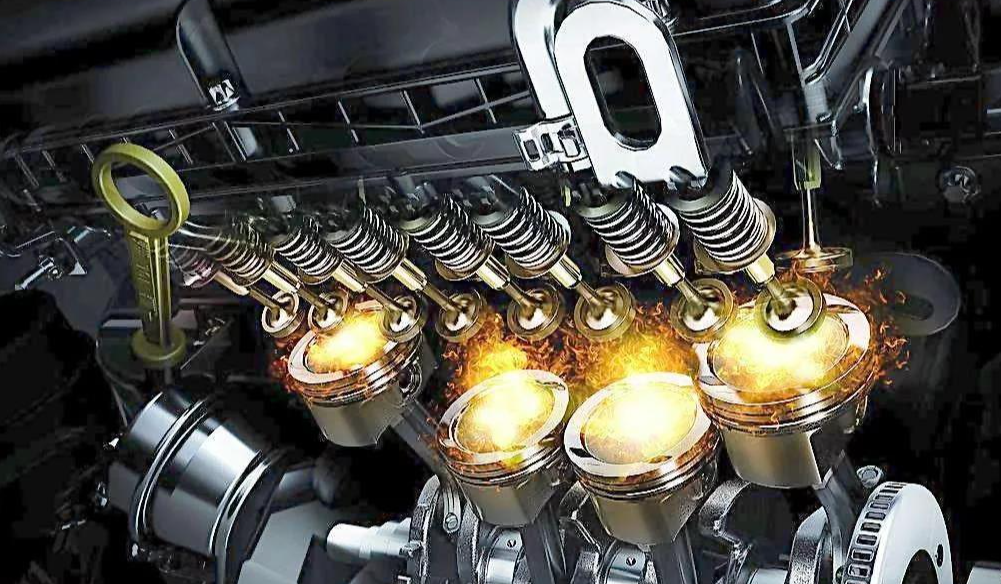
The difference in cetane number in the production of diesel oil from different parts of the world is caused by the different content and proportion of various components in the crude oil. In general, diesel produced in areas with high sulfur content and low octane number in crude oil often requires the addition of cetane number improvers.
For example, some of the crude oil in the Middle East has a higher sulfur content and a lower octane number, so the diesel produced is of relatively poor quality. In order to meet international diesel quality standards, diesel in the Middle East often requires the addition of cetane number improvers to improve combustion performance and environmental friendliness.
In addition, some other regional crude oil, such as Canadian oil sands and Venezuela’s heavy crude oil, due to its special physical properties and composition, the production of diesel may also require the addition of cetane number improvers to improve its performance.

In the world, cetane number improvers have been widely used in petroleum refining plants and fuel processing.
The U.S. Environmental Protection Agency (EPA) requires gas stations to use low-freezing diesel fuel during the winter, and in order to meet this requirement, many refineries add cetane number improvers to lower the freezing point of diesel fuel and improve its cryogenic fluidity. Many gas stations and oil companies use cetane number improvers to improve the ignition performance and combustion efficiency of diesel fuel to improve engine performance and emissions.
Many European countries have adopted Euro standards, which require strict limits on sulphur content and pollutant emissions in diesel fuels. Cetane number improvers are used to improve the combustion performance of diesel fuel and reduce the formation of emissions.
In some Asian countries, cetane number improvers are widely used in the production and processing of diesel fuel to improve the quality and performance of diesel fuel. Several Asian countries are also considering the use of cetane number improvers to improve the fuel efficiency and environmental performance of urban bus fleets and vehicles.
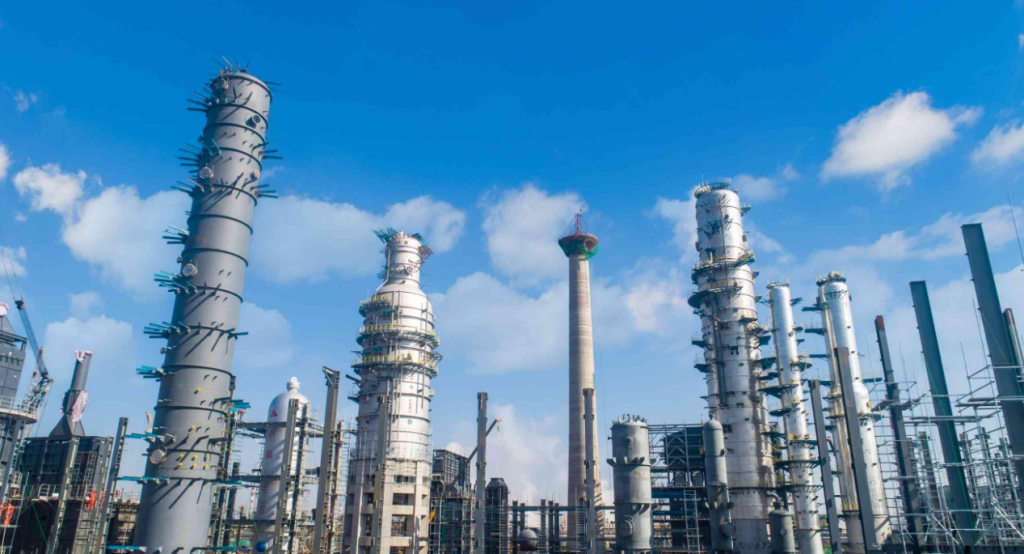
Cetane number improvers are usually added in refining plants where diesel fuel is produced. They can be used in the diesel hydrotreating stage or in the advanced hydrotreating stage of the catalytic cracking process in the refinery, and the addition is usually calculated in ppm. It can make diesel fuel easier to ignite, shorten ignition delay time, improve combustion efficiency, reduce fuel consumption and emissions generation. It is especially suitable for low-quality diesel fuel or situations where diesel fuel needs to be used at low temperatures.
Cetane number improver is an organic compound, the common components include nitrogen compounds, amino compounds, peroxy compounds and so on. In actual use, after the cetane number improver is mixed with diesel fuel, the organic molecules in it react with diesel molecules, so that the molecular structure of diesel molecules is improved and its cetane number is increased. The specific mechanism is that the organic molecules in the improver react with aliphatic alkanes, cycloalkanes and other compounds in diesel to generate more stable aromatic compounds, thereby increasing the cetane number of diesel.
Advantages:
1. Improve combustion performance: Cetane number improvers can improve the ignition performance and combustion efficiency of diesel fuel, reduce smoke and exhaust emissions, and thus improve engine performance and reliability.
2. Reduce pollutant emissions: Improvers can promote the complete combustion of diesel fuel and reduce emissions of nitrogen oxides (NOx), hydrocarbons (HC) and particulate matter (PM), helping to protect the environment and improve air quality.
3. Improve fuel economy: By optimizing the combustion process, the improver can improve the energy utilization rate of diesel fuel and reduce fuel consumption, thereby saving fuel costs.
It is important to note that specific use situations and cases may vary by region and refinery. Different countries and regions may have different regulatory requirements and market demands, so the use of cetane number improver needs to be evaluated and appropriate measures taken on a case-by-case basis.
https://www.alibaba.com/product-detail/Diesel-cetane-number-improtant-reduce-diesel_1600784551527.html?spm=a2747.manage.0.0.77c371d2nwMU8W
