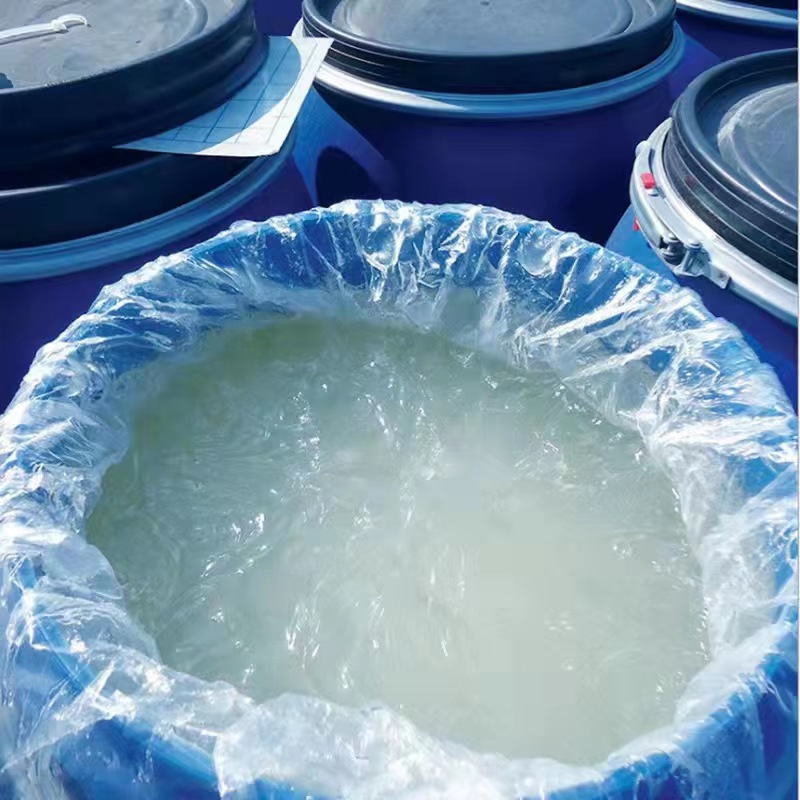
SLES (Sodium Laureth Sulfate) is a widely used synthetic surfactant commonly employed in the production of personal care and cleaning products. Its exceptional cleaning and foaming properties make it a staple ingredient in a range of products such as shampoos, body washes, hand soaps, and dishwashing liquids, aiding in the removal of dirt and grease.
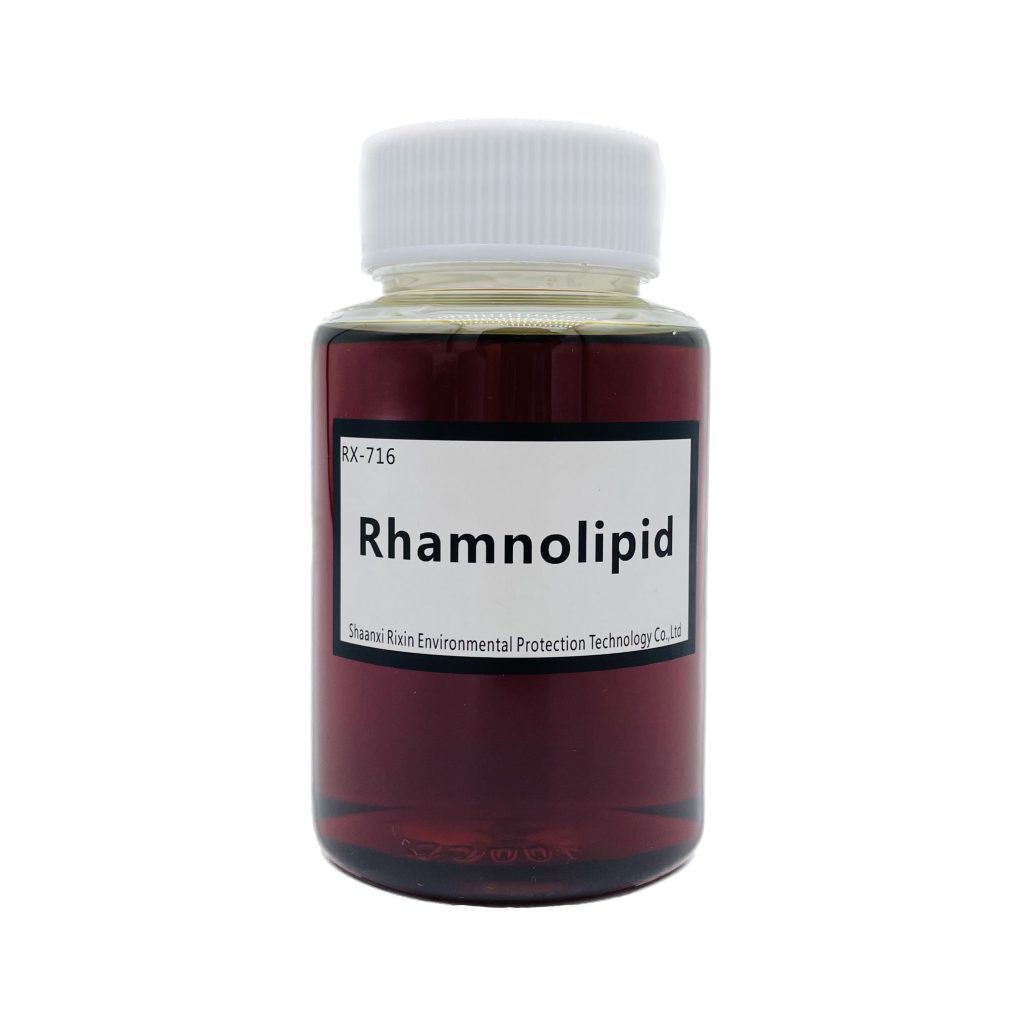
Rhamnolipids are a type of biosurfactant, produced by specific bacteria, such as Pseudomonas aeruginosa, and composed of molecules derived from rhamnose sugar. These compounds have surfactant properties, meaning they can reduce the surface tension between different substances, making them useful in applications like emulsification and dispersion. Rhamnolipids find diverse uses, from environmental cleanup to pharmaceuticals, due to their biodegradability and potential antimicrobial properties.
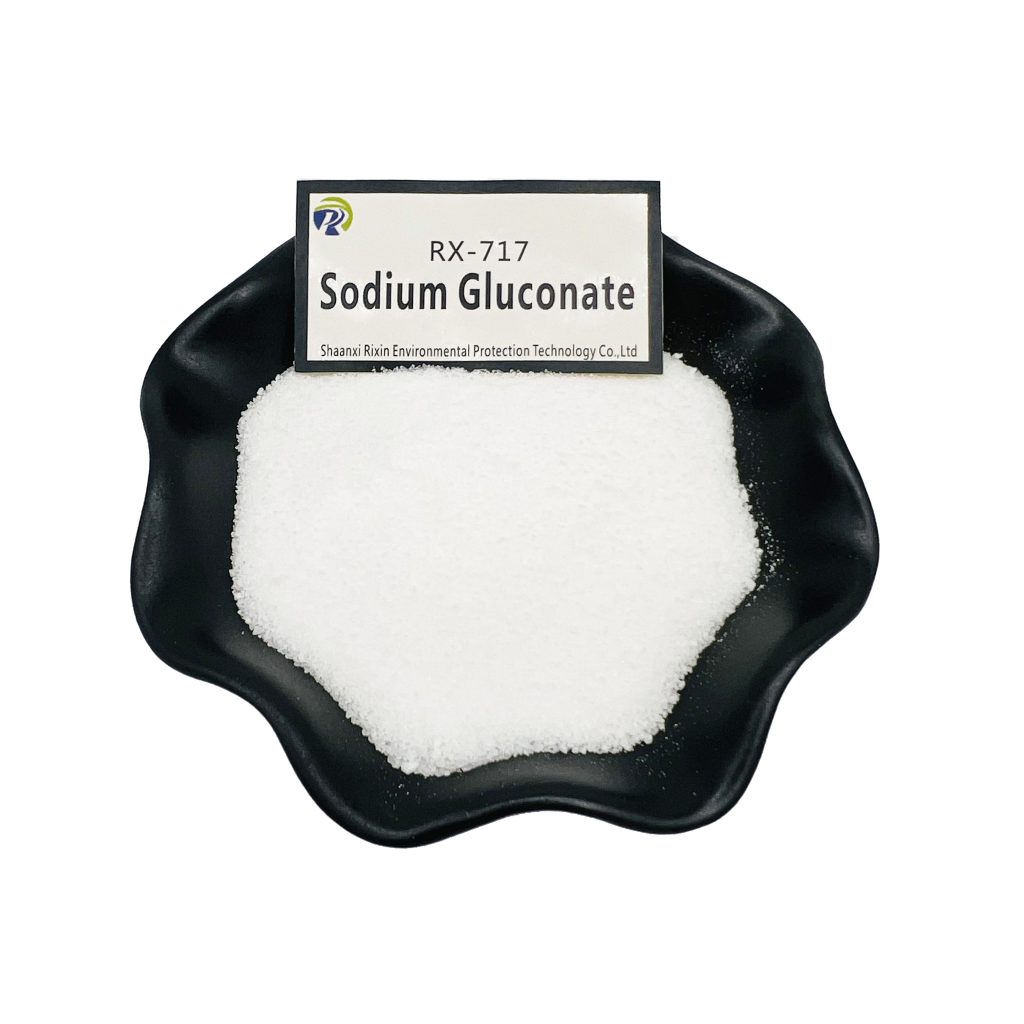
Sodium Gluconate, with the chemical formula C6H11NaO7, is the sodium salt of gluconic acid. It exists as white to pale yellow crystalline granules or powder and has no discernible odor. Highly soluble in water and slightly soluble in ethanol, it finds versatile applications as a food additive, electroplating chelating agent, water quality stabilizer, leveling agent in the dyeing industry, and a surface treatment agent in the steel and iron industries. Moreover, it serves as a corrosion and scale inhibitor in pharmaceutical cooling water systems, in electroplating, and metal cleaning processes, and is used for nutritional supplementation and as a yeast nutrient. In industrial water treatment, it demonstrates excellent effectiveness as a scale and corrosion inhibitor, especially when combined with aluminum.