Address
304 North Cardinal St.
Dorchester Center, MA 02124
Work Hours
Monday to Friday: 7AM - 7PM
Weekend: 10AM - 5PM
Address
304 North Cardinal St.
Dorchester Center, MA 02124
Work Hours
Monday to Friday: 7AM - 7PM
Weekend: 10AM - 5PM

Once conventional oil reservoirs are depleted, reservoir enhancement technologies come into play to extract further oil. Similar to wringing out a wet sponge, reservoir enhancement uses methods such as heating, gas injection, or chemical treatment to alter the viscosity of the oil, directing it towards production wells or changing its flow characteristics. While reservoir enhancement extends the lifespan of oil fields and may mitigate environmental impact, it also comes at a significant cost and is not without its own ecological considerations. Nevertheless, constrained by resource limitations and sustainability issues, it remains a key strategy for optimizing oil production.
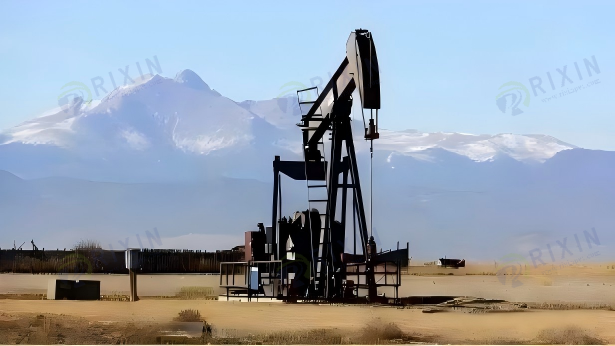
The role of enhanced oil recovery technology
With the depletion of traditional oil reservoirs and changes in the global energy landscape, enhanced oil recovery (EOR) technology is increasingly seen as a key factor in extending the operational life of existing oil fields and maintaining energy stability. In addition to improving recovery rates, EOR is also a comprehensive and responsible resource management approach that helps enhance economic resilience and address environmental issues.
Unlocking Residual Potential: EOR surpasses natural pressures and conventional secondary recovery methods, which typically extract only a small fraction of the oil from reservoirs. By employing thermal, chemical, and gas injection technologies, EOR can release the stored oil, significantly enhancing ultimate recovery. This extends the production life of mature oilfields and postpones the need for exploration and development of new, potentially more pristine areas.
Economic Necessity: Energy Recovery Orientation (EOR) is of great importance to energy security. It can enhance domestic oil production, reduce dependence on imports, and create numerous jobs in the oil and gas industry. With the continuous growth of global energy demand, EOR helps bridge the gap between existing resources and alternative energy solutions, providing much-needed stability during the energy transition.
Environmental Considerations: Although traditionally considered a cause of environmental problems, EOR (Extended Orifice Retention) technology is constantly evolving to address these issues. For example, the carbon dioxide injection technology used in EOR can effectively store captured carbon dioxide underground, thus helping to reduce greenhouse gas emissions. Furthermore, compared to traditional methods, EOR can reduce water consumption, thereby minimizing the environmental impact of oil production.
Challenges and the Road Ahead: Despite its numerous advantages, EOR (Environmental Recovery Orientation) also faces several challenges. Its implementation is costly and energy-intensive, and its effectiveness varies depending on reservoir characteristics. Continuous research and development are crucial for improving efficiency, reducing costs, and minimizing environmental impact. Furthermore, collaboration is needed to develop relevant regulations and incentives to encourage the widespread adoption of sustainable EOR practices.
In a world facing energy demands, resource scarcity, and environmental challenges, Energy Recovery Orientation (EOR) technologies play a vital role. By unlocking more oil reserves, stimulating economic activity, and providing potential environmental benefits, EOR serves as a bridge to a more sustainable future. Continuous innovation and responsible implementation are key to realizing its potential and ensuring a responsible energy future.
Enhanced oil recovery technology in the petroleum industry
Enhanced oil recovery (EOR) is a series of techniques used to further extract oil from reservoirs after primary and secondary recovery methods have failed to effectively extract oil. Primary recovery relies on the reservoir’s natural pressure to push oil towards the wellhead. Secondary recovery methods, such as water injection, inject water into the reservoir to maintain pressure and push oil towards the wellhead. However, even with these methods, a significant amount of oil remains trapped in the reservoir. Enhanced oil recovery techniques are used to extract this remaining oil.
Heat treatment methods: These methods reduce the viscosity of the oil reservoir by heating it, making it easier to flow. Common heat treatment methods include steam flooding (injecting steam into the reservoir) and fire flooding (injecting air into the reservoir and igniting it).
Chemical methods : These methods involve injecting chemicals into the reservoir to alter the properties of the oil or rock, making it easier to extract. Common chemical methods include polymer flooding, which injects polymers to increase the viscosity of water and improve its coverage efficiency; and surfactant flooding, which injects surfactants to reduce the interfacial tension between oil and water, making water flow more easily in the reservoir and allowing oil to be released.
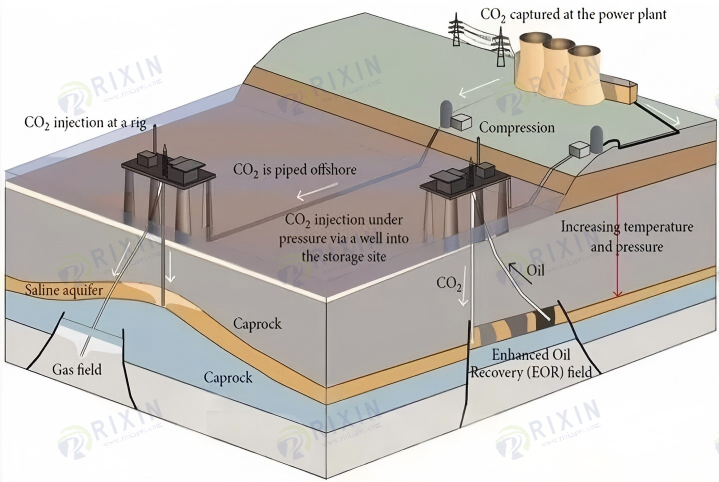
Gas injection methods: These methods involve injecting gases, such as carbon dioxide (CO2) or nitrogen, into the reservoir to reduce the viscosity of the oil and increase reservoir pressure. Injecting carbon dioxide also has the added benefit of storing it underground, which could help mitigate climate change.
The choice of oil displacement method depends on a variety of factors, including the type of oil, the geological conditions of the reservoir, and the economic feasibility of the project.
Water flooding (EOR) is highly effective in enhancing oil recovery. For example, it can recover an additional 30% to 60% of the oil in the remaining reservoir after conventional primary and secondary recovery methods. However, EOR can also be costly and complex to implement.
As global oil reserves dwindle and the search for new oil resources becomes increasingly difficult, the application of enhanced oil recovery (EOR) is becoming ever more crucial. EOR is expected to play a significant role in meeting the world’s growing oil demand over the coming decades.
Environmental impact of enhanced oil recovery technologies
While enhanced oil recovery (EOR) technologies offer significant economic and energy security benefits, they also present numerous major environmental challenges that require careful consideration and responsible management. We will explore these key issues in more detail below:
1. Greenhouse gas emissions:
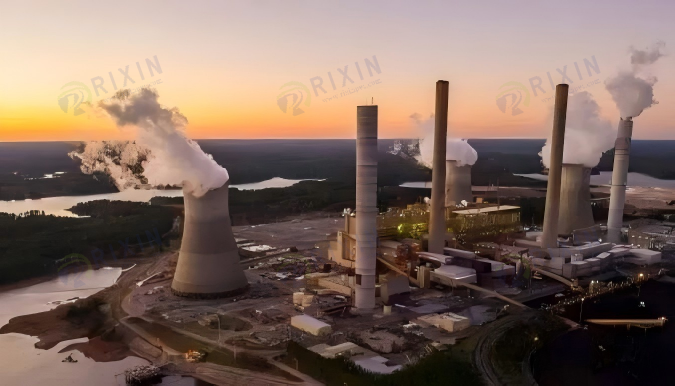
Thermal methods: Burning natural gas to generate steam for injection processes directly releases greenhouse gases, thus exacerbating climate change.
Carbon dioxide (CO2) injection: While it is possible to store captured carbon dioxide underground, there is a risk of leakage, which could negate its benefits and release a potent greenhouse gas.
Chemical flooding: Some of the chemicals used are volatile and can cause greenhouse gas emissions during production and processing.
2. Water pollution:
Increased water consumption: Some methods of enhancing oil recovery, such as water injection, require large amounts of water, which may put pressure on freshwater resources in arid regions.
Brine treatment: Water generated during enhanced oil recovery may have extremely high salt content and may contain contaminants, so it needs to be carefully treated and discharged to avoid contaminating freshwater aquifers or surface water bodies.
Chemical leaks and spills: Accidental leaks or spills of chemicals used in enhanced oil recovery processes can contaminate soil and water sources, thereby impacting ecosystems and human health.
3. Land use and ecosystem impacts:
Surface infrastructure expansion: The construction and operation of facilities that enhance oil recovery may require land clearing, which can disrupt ecosystems and affect biodiversity and habitat connectivity.
Seismic activity: Certain enhanced oil recovery technologies, such as steam injection, may trigger seismic activity in some areas, raising concerns about potential earthquakes and damage to infrastructure.
Air pollution: Substances emitted from enhanced oil production facilities, including volatile organic compounds and nitrogen oxides, can cause air quality problems in the surrounding areas.
4. Other points of concern:
Energy intensity: Some enhanced oil recovery methods have high energy consumption, and if their energy source is fossil fuels, the environmental benefits of these methods may be offset.
Long-term impacts: The long-term environmental impacts of some enhanced oil recovery methods (such as the persistence of carbon dioxide storage and chemical degradation) are still under investigation.
Technological innovation in enhancing oil recovery technology
Enhanced oil recovery (EOR) technologies are experiencing a resurgence as the world faces dwindling conventional oil reserves and an urgent need for sustainable energy solutions. Thanks to cutting-edge technologies and a renewed focus on environmental responsibility, these innovations are pushing the boundaries of possibilities, enabling the extraction of dormant oil resources while minimizing environmental impact.
1. Intelligent EOR: By leveraging artificial intelligence (AI) and machine learning (ML), intelligent EOR is revolutionizing reservoir characterization and optimization. Real-time data analysis and predictive models enable the development of personalized oil recovery strategies for specific reservoir conditions, thereby maximizing recovery efficiency and minimizing costs.
2. Nanotechnology: Nanoparticles have various applications in enhancing oil recovery. They can serve as targeted carriers for chemical substances, thereby improving their effectiveness and reducing environmental impact. Furthermore, nanofluids can improve oil displacement efficiency by altering fluid properties within the reservoir.
3. Advanced monitoring and diagnostic technologies: High-resolution sensors and downhole monitoring systems are providing unprecedented insights into reservoir dynamics. This enables real-time adjustments to enhanced oil recovery operations, thereby optimizing performance and reducing environmental risks.
4. Combining CO2-enhanced Oil Recovery with Geological Enhanced Storage: Carbon capture, utilization, and storage (CCUS) technology is being combined with CO2-enhanced oil recovery technology to achieve dual benefits. The captured carbon dioxide is injected into depleted reservoirs to enhance oil recovery, while simultaneously being stored underground, thus helping to reduce greenhouse gas emissions.
5. Microbial Enhanced Oil Recovery (DEOR) : This is an emerging technology that uses microorganisms to extract oil by altering its viscosity or enhancing its flowability. Although still in its early stages, DEOR holds promise as a more sustainable and environmentally friendly method of oil extraction.
in conclusion
Enhanced oil recovery (EOR) technology is a crucial tool in the oil industry for maximizing the production of existing oil reservoirs. By employing various methods, including the injection of thermal energy, chemicals, and miscible gases, EOR technology helps extend the productive life of oil fields and optimize the extraction efficiency of valuable resources. However, the industry must address the environmental issues associated with EOR operations and take sustainable measures to minimize their environmental impact. With continued technological advancements, the future of EOR promises to further improve oil recovery efficiency and reduce environmental risks.
