Address
304 North Cardinal St.
Dorchester Center, MA 02124
Work Hours
Monday to Friday: 7AM - 7PM
Weekend: 10AM - 5PM
Address
304 North Cardinal St.
Dorchester Center, MA 02124
Work Hours
Monday to Friday: 7AM - 7PM
Weekend: 10AM - 5PM

Crude oil, from discovery to use in the hands of the most end user, passes through approximately five sites:
Geophysical exploration – drilling operation – Oil production system – gathering and processing system – Refinery – End user.
The three upstream stations of the gathering system —– geophysical exploration, drilling and oil production, these production units are only responsible for crude oil collection, if we send this fresh crude oil directly across the third station, the fourth station, that is, directly from the wellhead to the fifth station (refinery), this untreated crude oil, they will destroy any refinery.
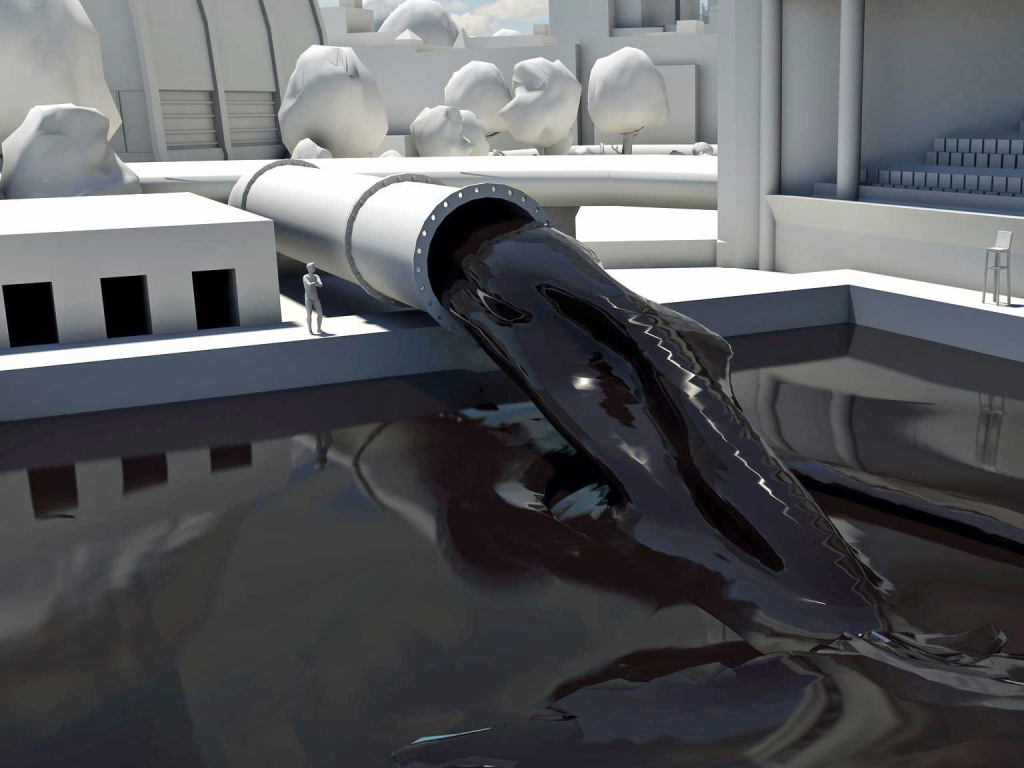
The produced fluids extracted from the rich subsurface of the reservoir are usually a mixture of hydrocarbon components of different molecular weights, water, and other impurities. At room temperature and pressure, the mixture formed by the relatively large molecular weight hydrocarbon components is liquid, usually called crude oil (petroleum). The mixture of hydrocarbon components with relatively small molecular weight is gaseous and is often called natural gas. Under the high temperature and high pressure conditions of the reservoir, the natural gas is dissolved in the crude oil in the form of pure liquid.
In other words, in the process of oil production, there is not only oil, but also a large amount of water and natural gas (may carry a certain amount of sediment), to get the crude oil used by the refinery and the natural gas used by the user must be processed by the mixture of oil produced by the well. Therefore, the separation of oil, gas and water is an essential link between oil exploration and exploitation and oil refining.
Due to the difference in water content, the liquid in the mixture may exist in the form of “oil in water” or “water in oil”. Although there is no difference in physical nature, different requirements are put forward for the separation method of two-phase mixed liquid. When the moisture content is greater than 70%, the form of “oil in water” appears, and the separation methods mainly include gravity sedimentation, chemical method, centrifugal separation method, etc. When the moisture content is less than 30%, the form of “oil-in-water” is presented, and the separation methods at this time are mainly ultrasonic method, heating method, swirl method, chemical method, etc.

So where does the water in the oil come from?
1. Natural water in reservoirs: groundwater and crude oil often coexist in oil fields. When an oil recovery operation is carried out, groundwater also enters the wellbore and is pumped to the surface, where it mixes with the oil to form a water-bearing oil.
2. Water in sediments: Deposits in reservoirs often contain water. When the sediment is mixed with the crude oil and extracted, the moisture in it also enters the crude oil.
3. Water flooding operations: Water flooding operations are sometimes performed to increase oil recovery from Wells. In a waterflood operation, water is injected into the bottom of the well so that the thrust of the water displaces the crude oil. However, the injected water may not be completely removed, resulting in an increase in water content
So what are the dangers of high-water crude oil?
1. Corrosion problems: Moisture in high-water crude oil may interact with oxygen in metal pipes and equipment to promote corrosion. Corrosion can cause damage to pipes and equipment, and even cause leaks and accidents.
2. Fluid instability: the moisture in high water cut crude oil may lead to the formation of emulsifiers or hydrates between crude oil and water, reducing the fluidity of crude oil. This can cause problems with the flow of crude oil during gathering and transportation, increase operating pressure at pumping stations, and even clog pipelines.
3. Separation difficulties: The moisture in high water cut crude oil makes the separation of crude oil and water difficult, especially in refining plants. This may increase the processing difficulty in the refining process, increase energy consumption, and affect the quality of the product.
4. Safety hazards: High water cut crude oil in the gathering and transportation pipeline may cause water hammer effect due to the accumulation of water inside the pipeline, increasing the stress of the pipeline and thus increasing the risk of pipeline burst. In addition, high water content crude oil in refining plants may increase the risk of fire and explosion.
In oil production systems, crude oil is usually dehydrated in the following ways:
1. Separator and sedimentation tank: In the separator, the crude oil and the water-containing mixture are separated by gravity, so that the water and oil can be separated. Due to the density of the water, it will settle to the bottom of the separator to form a water layer, while the relatively light crude oil is concentrated in the upper part to form an oil layer. After the separator, the oil flows further into the sedimentation tank for dewatering to ensure that as much water as possible is separated from the oil.
2. Centrifugal separator: Centrifugal separator uses rotary force to separate the water in the crude oil from the oil. By placing crude oil in a centrifuge spinning at high speed, water is thrown off and precipitates to the edge of the separator to form a water ring, while the crude oil concentrates in the center of the centrifuge to form an oil layer. After treatment by centrifugal separator, relatively dry crude oil can be obtained.
3. Chemical dehydrants: chemical dehydrants are special chemicals that can chemically react with water to effectively remove water from crude oil. This method is usually performed after separators and settling tanks to further reduce the water content in the crude oil.
These dewatering treatments can be applied individually or in combination to obtain drier crude oil. The choice of which method to use usually depends on the specific situation of the field, equipment availability and economic factors.
https://www.alibaba.com/product-detail/Demulsifier-demulsifying-agent-customized-high-efficiency_1600405676535.html?spm=a2747.manage.0.0.3de771d2CslBbt
https://www.alibaba.com/product-detail/Demulsifier-demulsifying-agent-customized-high-efficiency_1600405676535.html?spm=a2747.manage.0.0.3de771d2CslBbt
