Address
304 North Cardinal St.
Dorchester Center, MA 02124
Work Hours
Monday to Friday: 7AM - 7PM
Weekend: 10AM - 5PM
Address
304 North Cardinal St.
Dorchester Center, MA 02124
Work Hours
Monday to Friday: 7AM - 7PM
Weekend: 10AM - 5PM

The extraction of unconventional oil and gas has become a crucial component of the global energy supply system, reshaping market landscapes and enabling the exploitation of previously uneconomical oil and gas resources. Unlike conventional resources found in permeable, porous sediments, unconventional oil and gas resources such as shale gas, crude oil, oil sands, and coalbed methane require advanced extraction methods and specialized technologies. These technologies play a vital role in extracting energy from geologically complex environments.
Key technologies for unconventional oil and gas production:
1. Hydraulic fracturing (fracking method)
2. Horizontal drilling
3. Advanced seismic imaging technology
4. Microseismic monitoring
5. Gasket drilling and simultaneous operations
6. Production enhancement technologies for tight reservoirs
7. Real-time data analysis and automation
8. Drilling fluid and proppant innovation
Conventional oil and natural gas refer to hydrocarbon resources that, due to their inherent characteristics or physical state, cannot be extracted using conventional drilling techniques. These include:
Shale gas and tight oil: These exist in low-permeability shale formations and require hydraulic fracturing and horizontal drilling techniques for extraction.
Oil sands: substances composed of clay, sand, water, and bitumen. They are typically extracted through surface mining or geothermal technology.
Coalbed methane (CBM): Methane stored in coal seams is released when water pressure is reduced.
Natural gas hydrates: Methane is stored in a low-temperature, high-pressure environment in an ice-like structure, and is usually found in permafrost and deeper marine sediments.
Previously, they were considered economically unfeasible or technically impossible to mine, but recent developments have made their mining feasible.
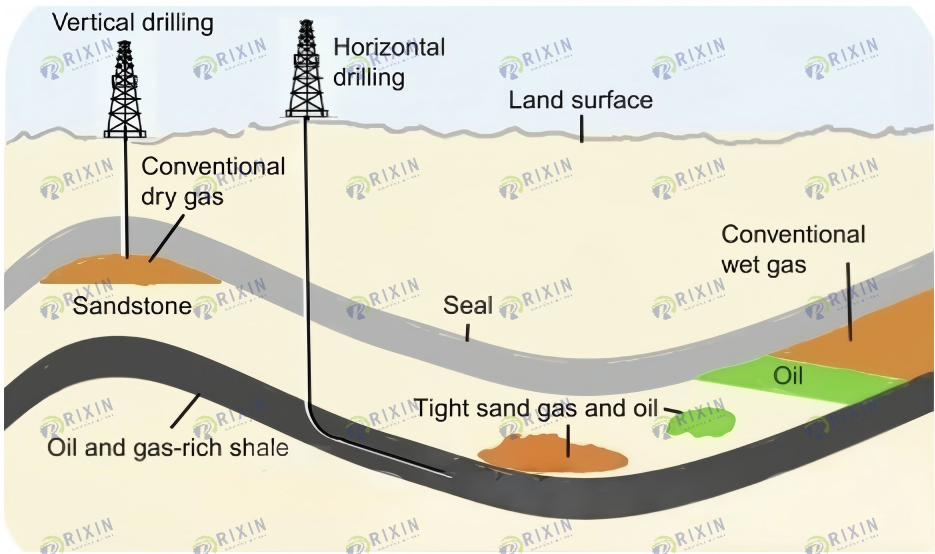
Key extraction technologies in unconventional oil and gas development:
1. Hydraulic fracturing (fracking method)
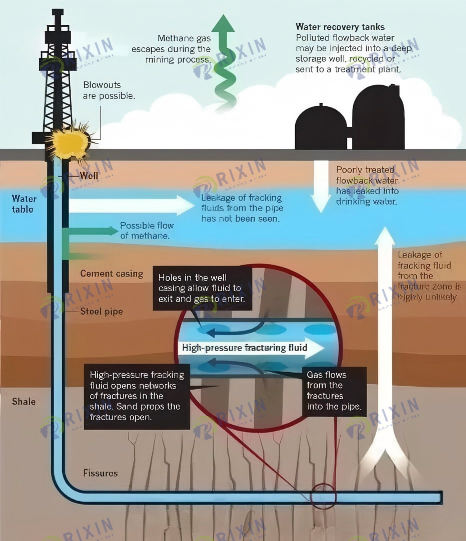
Hydraulic fracturing may be a key technology for securing the commercial potential of untapped resources. This technology involves injecting a high-pressure liquid (typically composed of water, chemicals, sand, and grit) into low-permeability rock to create fractures. These fractures allow oil to flow more smoothly into oil production facilities.
Hydraulic fracturing technology is particularly important in shale gas extraction and heavy oil development in North America, transforming previously difficult-to-extract areas into large-scale production centers. Technological advancements, such as multi-stage fracturing or interconnected fracturing, have increased extraction efficiency and reduced operating costs.
2. Horizontal drilling
Horizontal drilling, in conjunction with hydraulic fracturing, maximizes the contact area with the reservoir. After drilling vertically to a predetermined depth, the well then penetrates the formation horizontally, typically advancing hundreds of meters. This technology significantly increases the wellbore’s exposure depth to the reservoir and enables smaller surface wells to achieve greater oil and gas flows.
Horizontal drilling technology has dramatically changed oilfield development strategies, reducing environmental impact from surface operations while increasing production efficiency. This technology is commonly used in formations such as the Permian Basin and the Marcellus Shale.
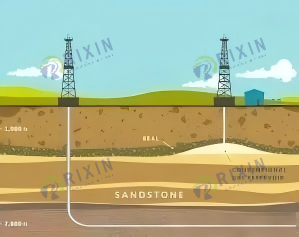
3. Advanced seismic imaging
Understanding the complex geochemical properties of unconventional reservoirs is crucial for ensuring successful reservoir development. 3D and 4D seismic imaging technologies can provide accurate subsurface maps, guiding drilling decisions and optimizing hydraulic fracturing designs.
Seismic analysis tools help operators visually understand fractures, faults, and rock characteristics, thereby reducing exploration risks and optimizing reservoir management. Time-series (4D) seismic images can monitor changes in the reservoir during production, providing more reliable information for decision-making.
4. Microseismic monitoring
During fracturing, real-time microseismic monitoring technology is used to monitor fracture propagation and subsurface conditions. By installing seismic sensors near the wellhead, engineers can observe minute seismic fluctuations generated during fracturing.
This technology allows operators to assess the effectiveness of each stimulus measure, then adjust the treatment plan in real time, and reduce the risk of unexpected crack expansion and earthquakes.
5. Platform drilling and simultaneous operations
Platform drilling refers to drilling multiple horizontal wells from a single location (the so-called “platform”). This method reduces land disturbance, lowers operating costs, and minimizes environmental impact. When combined with Simultaneous Production System (SIMOPS)—where drilling, completion, and production all occur simultaneously on the same platform—operators can improve efficiency and accelerate the time to first gas or oil production.
This practice is widely used in large-scale shale development projects to increase production and optimize logistics.
6. Oil production enhancement technologies for tight reservoirs
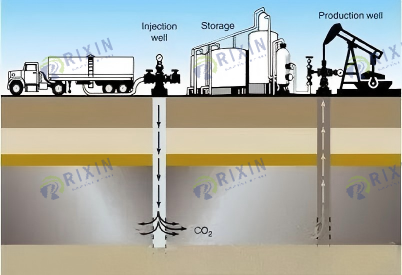
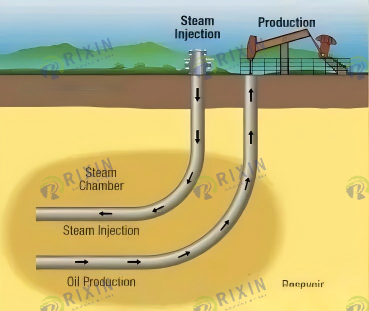
While traditional oil enhancement technologies such as CO2 flooding and steam injection are quite mature, applying them to unconventional reservoirs presents new challenges. Innovative methods, such as bubble injection, low-salinity water injection, or nanofluid-based oil enhancement technologies, are being researched to improve the recovery rate of tight reservoirs.
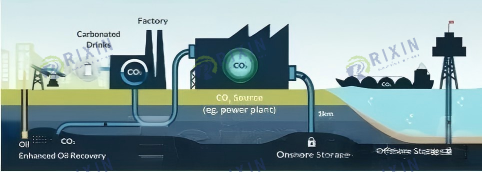
In certain specific fields, carbon dioxide-based enhanced oil recovery (EOR) technology is also used to capture carbon and improve oil recovery, thereby contributing to environmental protection and achieving sustainable development.
7. Real-time data analysis and automation
Digital technologies are playing an increasingly important and unconventional role in production. With the help of sensors, remote monitoring equipment, and data analytics, workers can monitor parameters such as temperature, pressure, and flow rate in real time. Computer-aided learning technologies can predict equipment failures and optimize fracturing designs, increasing well spacing.
Automation reduces the need for on-site personnel and improves safety, especially in harsh or remote environments. Furthermore, it enables more reliable and precise operations across multiple platforms.
8. Innovation in Drilling Fluids and Proppants
The efficiency of hydraulic fracturing largely depends on the proppant and drilling fluid. New types of drilling fluids with reduced environmental impact, such as biodegradable or waterless fracturing fluids, are gaining increasing momentum.
Meanwhile, proppants (materials such as sand or ceramics used to seal cracks) are constantly being developed to improve their strength, reduce weight, and enhance transport efficiency. Recent advances in proppant coating technology will also improve flow efficiency and speed.
Application of simulation technology in unconventional oil and gas production
Due to the geological complexity and technical uncertainties involved in unconventional oil and gas production, simulation technology becomes indispensable throughout the entire development process, from subsurface feature analysis to field operations.
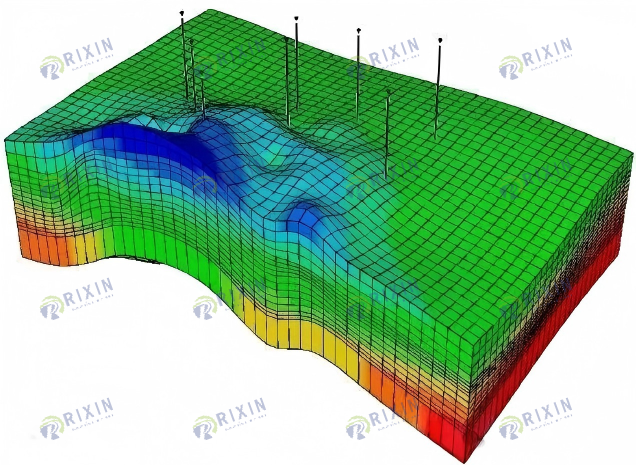
Subsurface modeling and reservoir simulation
In unconventional oil and gas production, one of the most important applications of simulation technology lies in simulating complex subsurface environments. Unconventional reservoirs are often heterogeneous and involve complex fluid-rock interactions, making traditional analytical methods difficult to apply. Reservoir simulation platforms enable geologists and engineers to develop dynamic model reservoirs, incorporating geological, geology, and petrology information. These help predict how oil and gas behave over time, providing insights into fluid flow and pressure changes, as well as the interaction between the rock matrix and fractures. In turn, operators can make better decisions regarding well spacing, well completion design, and overall recovery efficiency.
Optimize hydraulic fracturing operations
Hydraulic fracturing plays a crucial role in releasing oil and gas resources buried deep in hard formations. Simulation is a key element in the optimization process. Fracturing modeling software can predict how fractures will initiate and propagate within the reservoir rock when stimulated. Fracturing simulations consider factors such as rock pressure, fluid viscosity, and proppant distribution. By analyzing these variables before actual oilfield operations, engineers can modify fracturing designs based on the specific characteristics of the reservoir. This helps reduce the likelihood of fracture disturbance, mitigate environmental impact, and increase oil and gas production. Furthermore, data collected in real-time from sensors can be integrated into the simulation model to dynamically adjust fracturing behavior, thereby developing adaptive strategies for hydraulic fracturing.
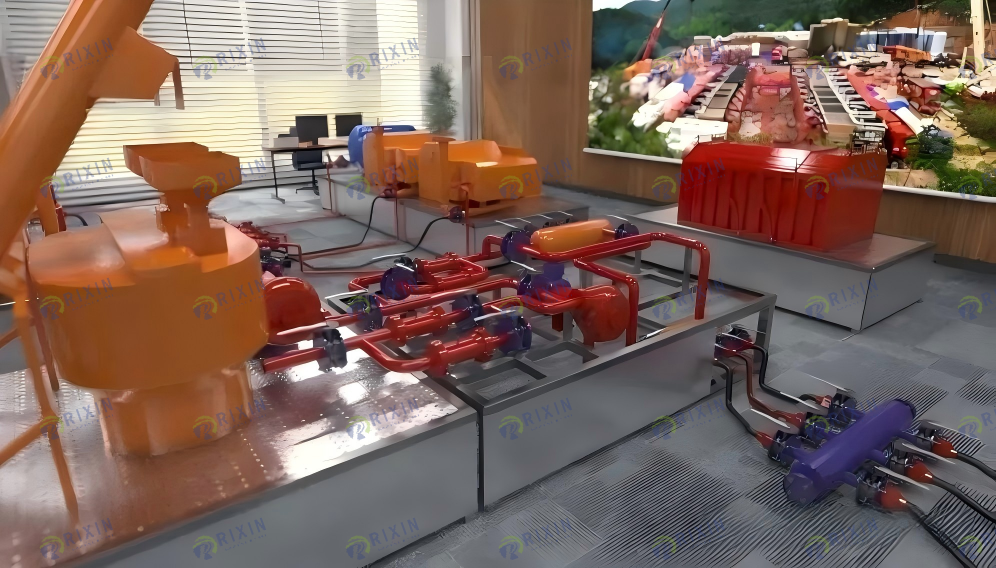
Improve drilling efficiency and safety
Exploring unconventional oil wells, which are typically long and horizontal, requires careful planning and execution. Drilling and well control simulation systems help design optimal well paths while ensuring avoidance of hazards such as unstable formations or pressure zones. Virtual drilling environments allow engineers to identify problems before they occur, such as excessive resistance, torque, and mechanical wear. These knowledge-based insights are particularly valuable in areas with complex geological structures or limited historical information. Furthermore, simulation-based training courses enable drillers to handle unpredictable situations, thereby improving operational safety and efficiency.
Forecasting Production and Managing Oilfield Performance
Simulation remains crucial in determining and managing production levels once production begins. Unconventional wells typically experience an initial rapid production phase followed by a sharp decline, making accurate production forecasting essential. Oil and gas production simulation models, incorporating decay curve analysis and transient production analysis, help operators understand reservoir depletion patterns and assess the efficiency of enhancement technologies. They also aid in decisions regarding artificial lift, repeated fracturing, or increased wellbore density drilling. By simulating various scenarios, companies can determine the most appropriate capital investments and develop long-term production strategies.
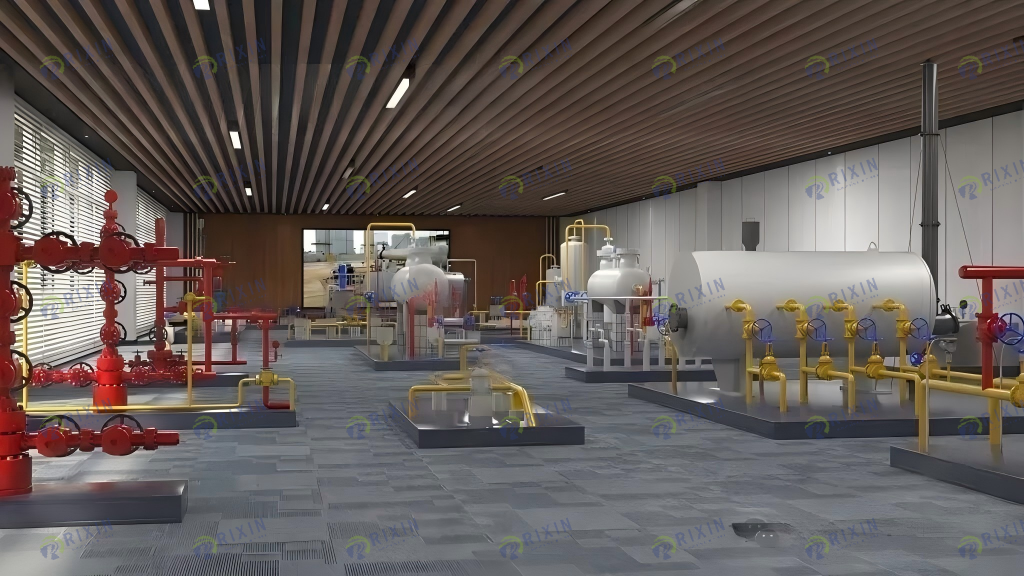
Supportive infrastructure and facilities planning
The discovery of unconventional resources is often located in remote areas lacking infrastructure. Simulation technology helps in the development of pipelines, surface facilities, and processing systems by simulating the flow of produced natural gas, oil, and water. Simulations enable engineers to test various operating conditions and configurations, ensuring system efficiency and economic viability at a virtual level. They are also scalable. For example, simulations can detect potential bottlenecks or safety issues in pipeline networks, which can guide the design of robust midstream infrastructure.
Promoting environmental responsibility and compliance
Environmental management is a crucial component of unconventional oil and gas activities, and simulation technologies help operators comply with increasingly stringent regulations. Emissions models can predict methane and other greenhouse gas emissions during production, enabling companies to develop appropriate emission reduction strategies. Water management simulations can guide the sourcing, recycling, and treatment of water during hydraulic fracturing, helping to reduce freshwater consumption and mitigate pollution risks. Risk simulations can also assess the likelihood of surface blowouts, leaks, or induced earthquakes, facilitating proactive risk management and regulatory compliance.
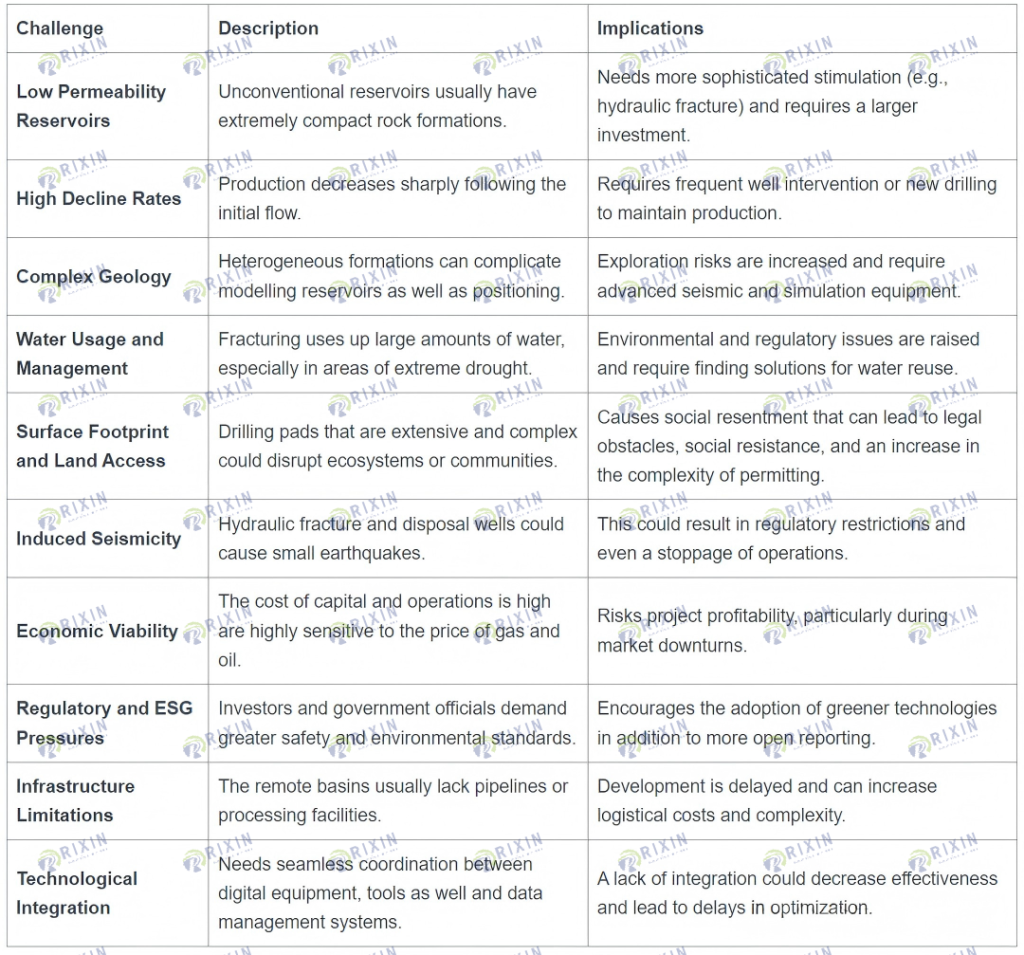
Challenges in unconventional oil and gas extraction
Future Technological Prospects for Unconventional Oil and Gas Production
While the initial breakthroughs in hydraulic fracturing and horizontal drilling laid the foundation, the future of the field lies in the continuous innovation and development of mechanical, digital, and environmental technologies, which promise to improve efficiency, reduce costs, and address environmental issues.
Next-generation drilling and completion technologies
The latest drilling innovations will improve wellbore accuracy and reduce wasted time. For example:
Rotary steering systems with real-time telemetry capabilities, systems that optimize drill bits using predictive analytics, and automated drilling systems are all expected to become standard features.
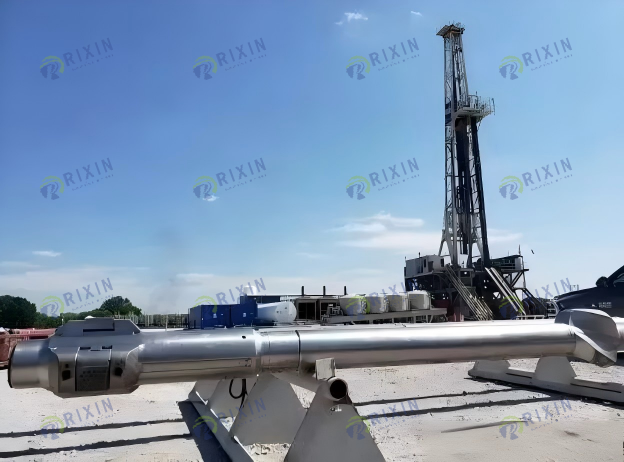
On the other hand, intelligent completion systems that incorporate fiber optic sensor technology, real-time pressure monitoring, and flow control devices will enable control over various areas and improve production efficiency throughout the entire well lifecycle.
Waterless and environmentally friendly fracturing technology
Water consumption and wastewater treatment remain important environmental considerations during hydraulic fracturing. Future developments will focus more on waterless fracturing technologies, including:
Supercritical carbon dioxide fracturing uses liquefied petroleum gas (LPG), a liquid that can be used for fracturing and stimulation, and is processed using plasma pulses.
These solutions not only reduce the demand for freshwater, but also reduce the use of chemicals and their impact on the ground environment, which aligns with environmental, social, and governance (ESG) commitments.
Integration of Artificial Intelligence and Automation
Comprehensive digitization efforts are underway in unconventional oilfields. Artificial intelligence, machine learning, and related technologies are being used to:
1. It performs exceptionally well in prediction, enabling early detection of equipment failures and automating the hydraulic fracturing process to support real-time production decision-making.
2. Remote operation centers and robots used for well site inspections will become more widespread, which will reduce health, safety and environmental risks and costs in operations.
Carbon Management and Emission Reduction
As efforts to reduce carbon emissions intensify, alternative industries are investing heavily in carbon capture, utilization, and storage (CCUS) technologies. These technologies are being designed for:
1. Capture carbon dioxide during the production process and then reinject it into the depleted reservoir.
2. Utilize drones, infrared sensors, and drones to monitor methane leaks.
3. Reduce combustion emissions through on-site power generation and gas re-injection.
These technologies are essential for maintaining the permitting function of society and for meeting global climate goals.
Modular and scalable infrastructure
To reduce costs and minimize environmental impact, next-generation non-traditional technologies will rely on modular processing units, portable LNG compression stations, and small-footprint platforms. These solutions are scalable, enabling rapid deployment in even the most remote areas and reducing infrastructure requirements.
Circular resource management
There is a growing focus on closed-loop systems that can reuse generated water, harvest heat from waste, and recycle drilling tools. Digital twin technologies and lifecycle analysis tools can help operators reduce resource use and greenhouse gas emissions throughout the entire process, from drilling planning to decommissioning.
Summarize
Advances in unconventional oil and gas production technologies rely on continuous innovation in exploration, drilling, completion, and monitoring. From hydraulic fracturing to real-time analysis, each technology is crucial for unlocking the potential of these reservoirs. With increasing demand for more sustainable and cleaner energy, future progress in this field will focus on improving recovery rates while minimizing environmental impact, particularly in the unconventional oil and gas sector.
