Address
304 North Cardinal St.
Dorchester Center, MA 02124
Work Hours
Monday to Friday: 7AM - 7PM
Weekend: 10AM - 5PM
Address
304 North Cardinal St.
Dorchester Center, MA 02124
Work Hours
Monday to Friday: 7AM - 7PM
Weekend: 10AM - 5PM

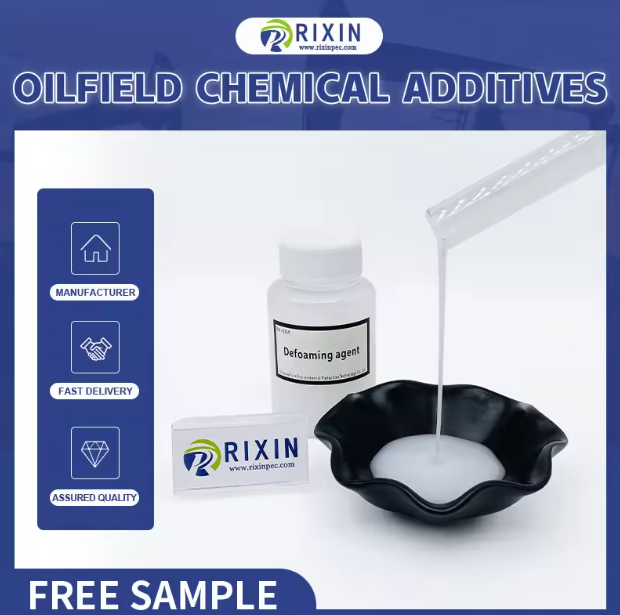
Silicone defoamers and polyether defoamers are named after their main ingredients. The differences between the two include different ingredients, different applicable foaming systems, and different effects.
Silicone defoamers are generally polymerized from silicone oil and other additives such as emulsifiers. Due to their silicone content, silicone defoamers can be used in both aqueous and oil-based systems, making them widely applicable. Silicone-based defoamers are characterized by being non-toxic, rapidly defoaming, odorless, and having no side effects.
Polyether defoamers, made from polyether and other additives, are commonly used in water-based foaming systems. While their defoaming ability isn’t particularly outstanding, they possess strong foam-suppressing capabilities. Silicone defoamers, on the other hand, offer a more balanced defoaming and foam-suppressing ability. However, it’s important to note that silicone defoamers are prone to problems during emulsification, which can affect their performance.
From the above analysis, we can see that silicone-based defoamers can be used in both water-based and oil-based foaming systems, and their defoaming and foam-suppressing abilities are quite good. However, it is necessary to address the problems that arise during the emulsification process; otherwise, their effectiveness will be compromised. Polyether defoamers are generally only suitable for water-based systems. Because their defoaming and foam-suppressing abilities differ, polyether defoamers are best added before foam formation to directly inhibit foam generation.
