Address
304 North Cardinal St.
Dorchester Center, MA 02124
Work Hours
Monday to Friday: 7AM - 7PM
Weekend: 10AM - 5PM
Address
304 North Cardinal St.
Dorchester Center, MA 02124
Work Hours
Monday to Friday: 7AM - 7PM
Weekend: 10AM - 5PM

No 10 Kuwait
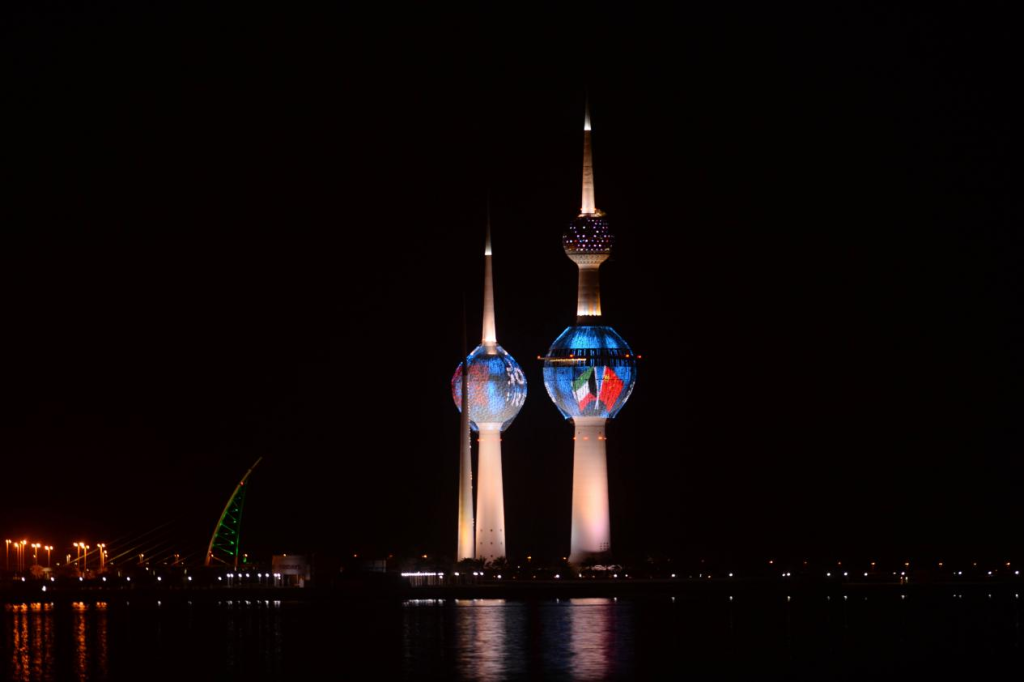
Founded in 1752, Kuwait is located on the Arabian Peninsula and is about the size of Chongqing.
Kuwait exports 3% of the world’s oil in 2020.
No 9 Iran
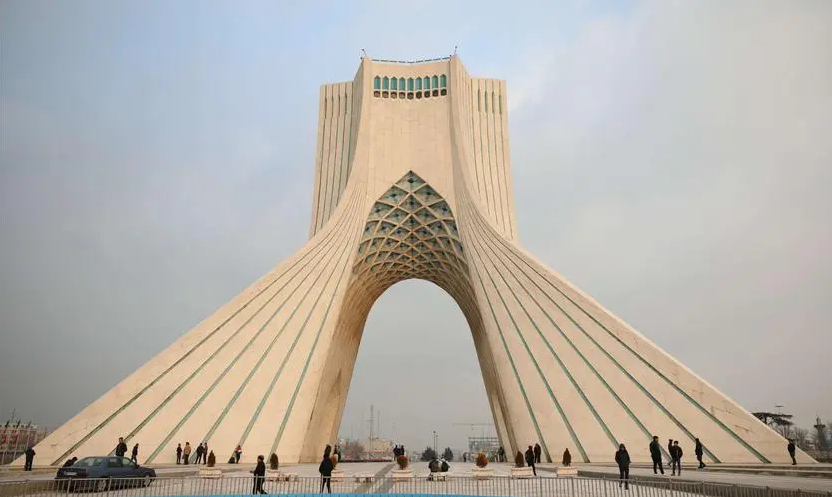
Iran has 10.3% of the world’s total proven oil reserves, is a member of the Organization of Petroleum Exporting Countries, and its oil exports account for 50% of national revenues.
But Iran’s oil has been subject to U.S. sanctions, and the 2015 nuclear deal with the United States and the lifting of sanctions have led to some growth in Iran’s energy sector.
At that time, Iran was able to maintain its oil production of 4 million barrels per day and exports of more than 2 million barrels per day.
After the United States announced its withdrawal from the nuclear deal in May 2018, Iran’s oil exports and production showed a sharp downward trend, and in the current fourth round of negotiations in Vienna, energy experts are focusing their attention on the legitimate return of Iranian oil to the global market and its possible impact on global supplies and international oil prices. Iran’s oil exports are also the lifeblood of global oil prices.
No 8 Brazil

One of the largest companies in Brazil is Petrobras, which was founded in 1953 and is one of the largest state-owned enterprises in Brazil. It is responsible for the exploration, exploitation and import and export of oil fields in most of Brazil.
In the first four months of 2020, about 60% of Brazil’s oil exports went to China, and Petrobras will gradually increase crude oil exports on the basis of satisfying the domestic market, including China, the United States, the European Union and India.
7th place United Arab Emirates
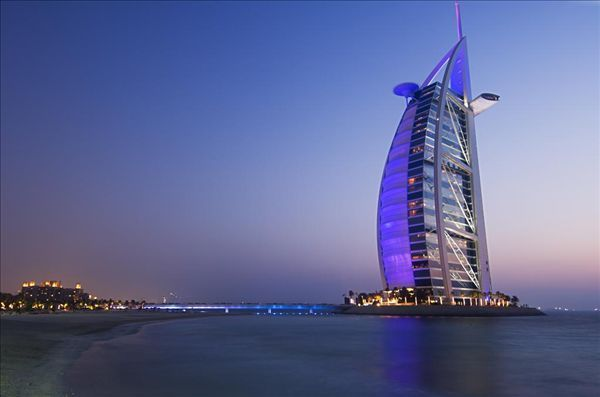
The United Arab Emirates, made up of emirates such as ABU Dhabi and Dubai, is a leading member of the Organization of the Petroleum Exporting Countries (OPEC) and exported 5.2% of the world’s total oil in 2018, valued at $58.4 billion.
On March 9, U.S. President Joe Biden announced that the United States would ban Russian energy imports, and the following day, the UAE ambassador to Washington issued a statement saying that the United Arab Emirates was in favor of increasing oil production and would encourage OPEC to consider raising output.
After the announcement, oil, which had soared to a record $130 a barrel, plunged 12% to less than $109 a barrel.
No 6 Iraq
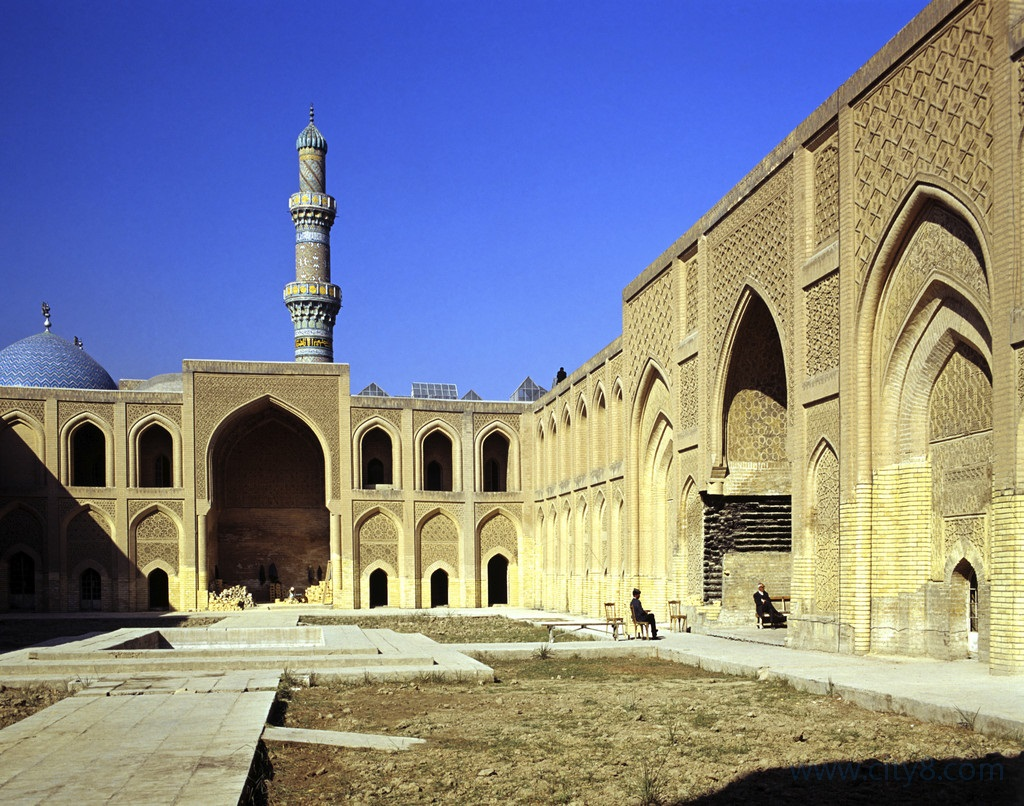
Founded in 1932, Iraq was once one of the world’s top three oil exporters, falling to sixth place in 2020, accounting for 5% of global exports.
Iraq’s economy is heavily dependent on crude oil exports, which account for more than 90 percent of state revenues.
Demand for crude oil is rising in a war environment, many countries are looking for alternatives to Russian oil, and buyers have begun to turn their attention to the Middle East, especially Iraq.
No 5 China

According to the data of the National Bureau of Statistics, since 2014, China’s crude oil production has shown a trend of first rising and then falling. In 2015, China’s crude oil production was 217.74 million tons, which is a maximum in recent years. After a gradual decline, from January to July 2021, crude oil production in China was only 116.2 million tons.
China exported more than 50 million tons of refined oil products in 2009, so why sell oil when it needs so much for imports? And the price of exported oil is half that of imported oil.
To explain, according to the survey, China’s annual refining capacity reaches 870 million tons, and the excess capacity is also 120 million tons per year. These excess refined oil products will consume a lot of money in storage, so when the production exceeds the actual demand, export is a good choice.
No 4 Canada
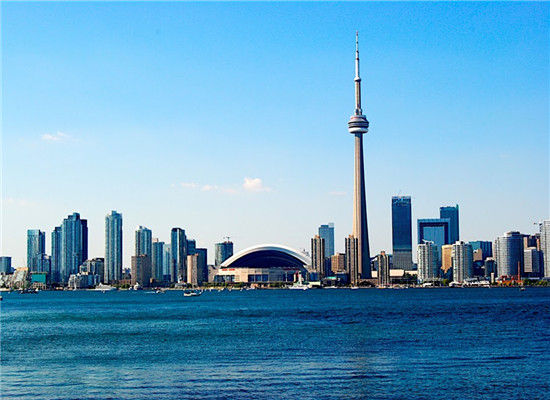
In 2020, Canada exports 6% of the global supply, holds more than 10% of the world’s oil reserves, and ranks first among Canada’s exports of fossil fuels, including oil, accounting for 20% of total exports.
As much as 70 percent of Canada’s oil exports go to the United States, and in early 2012, Canadian oil exports to the United States reached record levels.
Especially now in the war environment, with U.S. sanctions on Russian oil to a certain extent, Canadian oil producers have the ability to increase exports to the United States immediately, but what they can provide in the short term is not enough to fill the gap left by Russia.
Due to its geographical location, most of Canada’s oil producers export oil to the United States through the pipeline system every day, and in the face of the current energy crisis in the United States, Canada urgently needs the expansion of oil export pipelines.
No 3 Russia
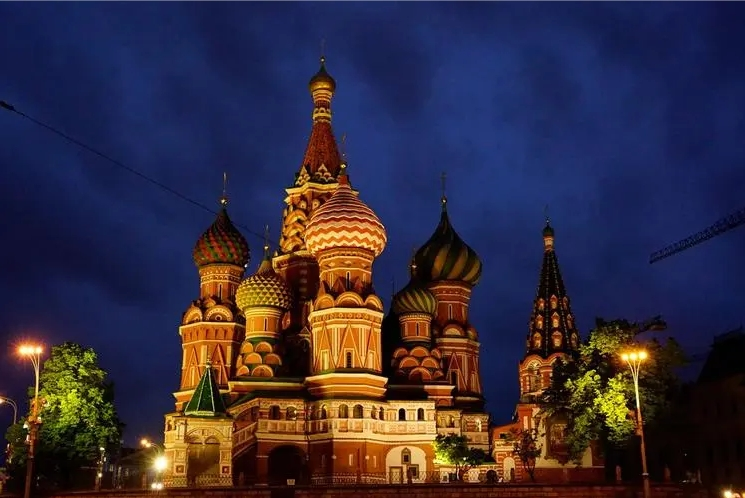
In 2021, Russia’s crude oil production is 534 million tons, accounting for 12% of the world’s total production that year.
Russia’s oil sales occupy an important position in the world energy market and are the main source of the Russian federal budget and foreign exchange earnings.
In the structure of Russia’s foreign trade export products, energy raw materials, especially oil and gas exports occupy an absolute advantage, about 40% of the annual output of more than 300 million tons of crude oil are used for export, oil revenue accounts for 30% of Russia’s public budget.
Every year, Russia’s oil exports have considerable income, which not only enables the Russian government to repay all the debts owed to the International Monetary Fund in advance, but also compensates the domestic wages in arrears in previous years, increases the investment in fixed assets, and improves the minimum living income guarantee for residents. The implementation of a series of social policies and reform measures, thus the Russian economy has been growing year after year, and economic and social indicators have been significantly improved.
Second place Saudi Arabia

Founded in 1932, Saudi Arabia will account for 12% of global oil exports in 2020.
Saudi Arabia’s economy is the largest in the Arab world and its oil reserves are the second largest in the world at $34.4 trillion.
Recently, Saudi Arabia considered settling Chinese oil purchases in yuan, a major change that could also affect Saudi Arabia’s position in the national market.
# 1 United States

The United States is both the largest oil producer and the largest oil importer.
In the first week of November 2021, U.S. oil exports averaged 9,249,000 barrels per day. More than 7,966,000 barrels, the United States exports about 20 percent of the world’s oil, and international crude oil sales have increased nearly 500 percent since 2014,
However, in the fourth week of October 2021, imports exceeded exports for 11 consecutive weeks, and the United States once again turned into a net importer of oil, and the stagnation of U.S. shale oil production led to a reduction in inventories and a decline in export capacity.
Since the petrodollar agreement between the United States and Saudi Arabia in 1974, all oil has been paid in dollars, and oil is directly linked to the dollar. The petrodollar system can also cut off international trade in countries such as Iran and Venezuela.
The dollar’s international influence as the world’s most widely used reserve currency is on the wane, and this time China’s direct use of the yuan to buy oil trade settlement system will accelerate the decline of the dollar.
