Address
304 North Cardinal St.
Dorchester Center, MA 02124
Work Hours
Monday to Friday: 7AM - 7PM
Weekend: 10AM - 5PM
Address
304 North Cardinal St.
Dorchester Center, MA 02124
Work Hours
Monday to Friday: 7AM - 7PM
Weekend: 10AM - 5PM

petroleum is a natural resource formed from organic matter through geological processes over millions of years. Here’s how oil is roughly formed:
1. Accumulation of organic matter: Oil is mainly composed of microbial remains and plant remains in oceans and lakes. These organic materials are deposited in the water and mixed with sediments to form thick layers of organic matter.
2. Geological processes: When the organic layer is buried underground, the pressure and temperature gradually increase, and these organic materials begin to transform. This process is called thermodiagenesis. Under high temperature and pressure, organic materials undergo chemical reactions and are gradually converted into oil and natural gas.
3. Rock reservoirs: Oil is usually stored in porous and permeable rock layers, such as sandstone, limestone, or shale. These rocks have enough voids and pores to hold the oil and allow it to flow.
4. Accumulation and drift: Due to crustal movement and groundwater movement, oil will gradually accumulate from the formation area to other places. Oil deposits form when oil meets a non-permeable rock formation or tectonic collapse.
5. Exploration and production: Exploration geologists use geological and geophysical exploration techniques to find potential oil deposits. Once potential oil reserves are identified, extraction companies drill and extract the oil from the reservoir.
6. It is important to note that the process of oil formation takes millions of years, and oil resources are not infinite. Therefore, we consider oil as a non-renewable energy source and should consider environmental and sustainability factors when using oil.

Petroleum is a fossil fuel formed millions of years ago when the remains of ancient organisms and plants were subjected to high pressure, heat and chemical reactions. Because the process of oil formation is very long, taking millions of years, it is considered a non-renewable resource.
There are several reasons why oil is not renewable:
1. Time scale: The generation of oil takes millions to hundreds of millions of years, which is far beyond the lifespan of human beings. Therefore, from a human perspective, oil is a non-renewable resource.
2. Natural conditions: The generation of oil requires specific natural conditions. It was formed in ancient oceans or lakes through the action of microorganisms that converted organic matter into hydrocarbons, and then formed deep in the Earth’s crust under high temperature and pressure. Such natural conditions are not available everywhere.
3. Production constraints: Oil reserves are limited and diminishing. Even if new oil fields are discovered, they are unlikely to produce as much as in the past. Therefore, the recoverable reserves of oil are also limited, which also limits the renewability of oil.
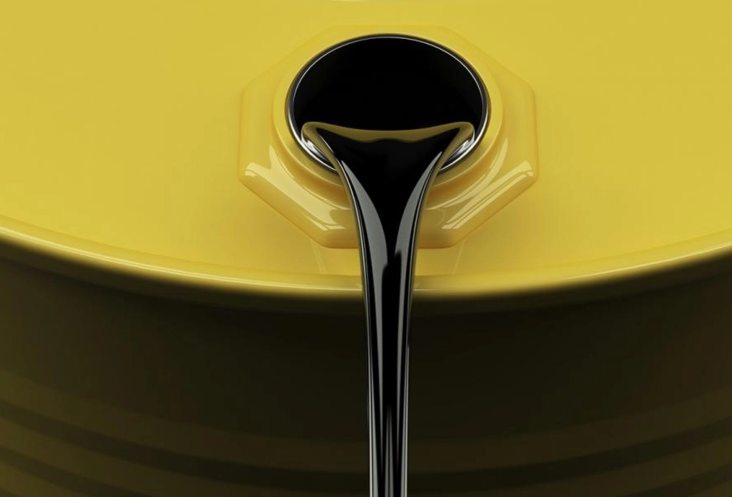
Oil is a non-renewable resource, so the rational use of oil is very important. Here are some steps you can take:
1. Improve energy efficiency: Optimizing the use and management of existing energy equipment can save the use of oil. For example, for vehicles, fuel efficiency can be improved by reducing drag, improving engine technology, improving vehicle lightweight, and so on.
2. Development of renewable energy: Switching to renewable energy sources, such as solar, wind, water, etc., can reduce dependence on oil. This also helps to reduce greenhouse gas emissions and environmental pollution.
3. Promote clean energy: Clean energy refers to fuels that produce little or no harmful gases when burned, such as natural gas, liquefied natural gas and biodiesel. Using these clean energy sources can reduce the use of oil and reduce environmental pollution.
4. Strengthen the management of oil resources: Measures taken in the management of oil resources, such as controlling the exploitation and use of oil, can extend the service life of oil.
5. Raise public awareness: publicity and popularization of knowledge about oil resources and the importance of energy conservation and emission reduction can help people use oil resources more rationally.
To sum up, oil cannot be regenerated due to factors such as time scales, natural conditions and production constraints. Therefore, we should cherish the limited resources of oil more, and actively explore alternative energy to achieve sustainable development.