Address
304 North Cardinal St.
Dorchester Center, MA 02124
Work Hours
Monday to Friday: 7AM - 7PM
Weekend: 10AM - 5PM
Address
304 North Cardinal St.
Dorchester Center, MA 02124
Work Hours
Monday to Friday: 7AM - 7PM
Weekend: 10AM - 5PM

The chemicals required for oil and gas gathering and transportation include the following 14 types: corrosion inhibitor, demulsifier, drag reducer, emulsifier, fluidity modifier, natural gas purification agent, hydrate preparation, sea oil slick cleaner, anti-wax agent, wax remover, pipeline cleaning agent, point reduction agent, viscosity reduction agent, foam suppression agent, etc.
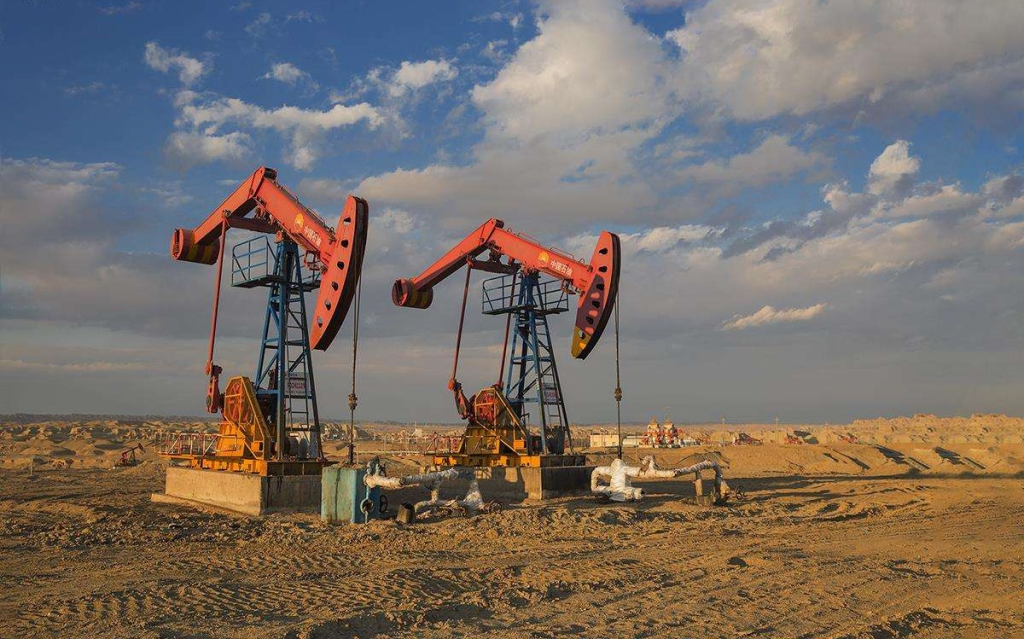
During the extraction and transportation of waxy crude oil, paraffin is deposited on the inner surface of the piping system. This process resulted in a significant reduction in the cross section of the oil pipeline, resulting in a blockage of the pipeline between the oil transfer station.
Factors affecting the deposition of paraffin on the inner surface of the pipeline are:
1. Physical and chemical properties of crude oil itself;
2, the decline of oil temperature in the process of oil transmission;
3. Working mode of oil transfer system;
4. Changes in the gas content dissolved in oil.
Paraffin is constantly deposited on the surface of the oil pipeline. The crude oil is still hot at the beginning of the pipeline because there is less deposition of paraffin crystals. Then the temperature of the oil dropped, and the paraffin began to precipitate strongly. Naturally, at this stage the paraffin deposits on the pipe walls begin to thicken. Then over a long distance the temperature of the oil does not change because it is already in equilibrium with the temperature of the soil. Accordingly, the amount of paraffin precipitated in the pipeline decreases. The deposition of paraffin crystals in the lower section of the pipeline is not obvious. Because most of the paraffin is deposited on top of the oil pipe. The deposition of paraffin is reduced by mechanical impurities, which help to remove deposits from the inner walls of the pipe.
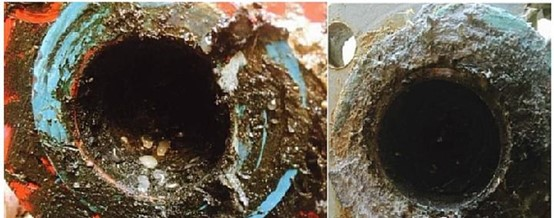
In order to maintain the passage section of the pipeline, a series of measures should be taken to prevent the deposition of paraffin in the pipeline system, and to clean the paraffin deposits that have formed in the pipeline. The application of all measures should be based on the study of paraffin deposition conditions and properties on specific oil fields. The method of wax removal depends on the physical and chemical conditions of the underlying fluid. First of all, methods should be studied to prevent paraffin deposition, prevention is more important than cleaning.
At present, there are several methods to prevent the deposition of paraffin in the process of oil exploitation, storage and transportation:
1. Take insulation measures for oil pipelines;
2, prohibit the paraffin in the storage tank into the oil pipeline;
3, regularly clean the residual oil in the storage tank;
4. Mix crude oil with different paraffin content;
5, using various methods to heat the oil being transported;
6. Keep the formation pressure above the degassing pressure;
7. Oil production in a stable mode;
8, the use of solvents to improve the solubility of oil;
9. Use effective tubing coating;
10. Use paraffin deposition inhibitors.
But no matter what kind of cleaning method can not avoid the pollution of the pipeline. Therefore, various methods have been studied to remove the existing paraffin crystal deposits during the transportation of petroleum.
The methods for removing paraffin deposits on the inner surface of the pipeline are:
1. Hydrochemical method, using hot water with inhibitor or chemical agent to flush the oil well;
2, mechanical method, the use of various structures of the scraper to remove paraffin deposits;
3, wave action method, using sound wave, ultrasonic wave, blasting wave to remove paraffin;
4, magnetic method, using magnetic field wax removal;
5, thermal method, using steam, high temperature liquid, current heating to remove paraffin.
The surfactants used in paraffin removal are also divided into two aspects, oil soluble for oil-based paraffin removal agents, water soluble sulfonate type, quaternary ammonium salt type, polyether type, Tween type, OP type surfactants, sulfate salt or sulfonated flat type and OP type surfactants are used in water-based paraffin removal agents. In recent years, mixed paraffin remover has been produced by organic combination of paraffin remover and paraffin remover, oil paraffin remover and water paraffin remover. The paraffin removal agent uses aromatic hydrocarbon and mixed aromatic hydrocarbon as oil phase and emulsifier with paraffin removal as water phase. When the emulsifier is a non-ionic surfactant with appropriate turbidity point, the temperature below the paraffin formation section can reach or exceed its turbidity point, so that the mixed paraffin removal agent can break emulsion before entering the paraffin formation section, and two kinds of paraffin removal agents can be separated and play the role of paraffin removal at the same time.
https://www.alibaba.com/product-detail/pH-regulators-and-antioxidants-beauty-products_1600971559212.html?spm=a2747.manage.0.0.68db71d2CVfVdn
