Address
304 North Cardinal St.
Dorchester Center, MA 02124
Work Hours
Monday to Friday: 7AM - 7PM
Weekend: 10AM - 5PM
Address
304 North Cardinal St.
Dorchester Center, MA 02124
Work Hours
Monday to Friday: 7AM - 7PM
Weekend: 10AM - 5PM

Oil and gas gathering and transportation pipelines are usually made of carbon steel, stainless steel or plastic. Different pipeline materials are suitable for different oil and gas conditions and transportation requirements. When transporting oil products, oil and gas gathering pipelines may face the following corrosive factors:
1. Medium corrosion: Transported oil may contain acidic substances, sulfides and other corrosive substances, which will contact with pipeline materials and cause corrosion.
2. High temperature corrosion: in some oil and gas transmission processes, oil products will be affected by high temperature, and pipeline materials are prone to high temperature corrosion under high temperature environment.
3. Moisture corrosion: Due to the possible existence of moisture in the gathering and transportation process, moisture interacts with the acidic substances in the oil to form corrosive media.
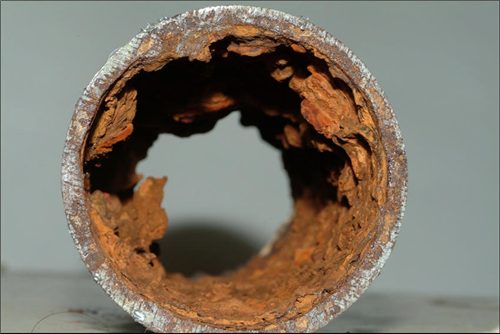
substances in the oil to form corrosive media.
For these problems, the following solutions can be used to prevent corrosion:
1. Material selection: Select suitable pipeline materials, such as high-strength carbon steel, corrosion-resistant stainless steel and other materials, to improve the corrosion resistance of the pipeline. Suitable pipeline materials can provide strong corrosion resistance, such as stainless steel materials with excellent high temperature resistance and acid and alkali corrosion resistance.
2. Anti-corrosion coating: Apply anti-corrosion coating on the surface of the pipeline to form a protective layer to block corrosion. The anti-corrosion coating is usually composed of a variety of chemicals, which can form a sealed, corrosion-resistant protective layer to prevent the medium from contacting the pipe and reduce the corrosion rate.
3. Corrosion inhibitor injection: The corrosion inhibitor is injected into the pipeline to form a corrosion inhibitor film or corrosion inhibitor layer to reduce the corrosion of the corrosive medium on the pipeline. The components in the corrosion inhibitor can form a protective film or corrosion inhibitor that covers the surface of the pipe and slows the corrosion of the metal by the corrosive medium.
4. Potential protection: Through potential protection technology, a certain potential difference is applied on the surface of the pipeline, so that the pipeline is in a negative potential state, under the action of the protection current, to inhibit the corrosion reaction.
5. Regular inspection and maintenance: Regular inspection of the pipeline, including physical inspection, X-ray testing, electrochemical testing, etc., timely discovery and repair of corrosion problems on the surface of the pipeline, in order to maintain the good condition of the pipeline.
6. Inspection and maintenance: Regular inspection of the pipeline, including physical inspection, X-ray testing, electrochemical testing, etc., timely detection and repair of corrosion problems on the surface of the pipeline, in order to maintain the good condition of the pipeline.
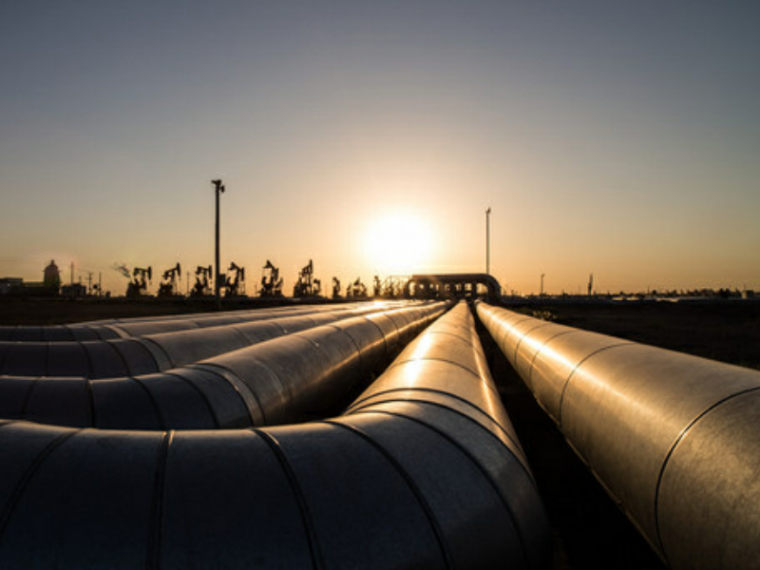
The main advantages of using corrosion inhibitor injection to prevent corrosion of oil and gas gathering pipelines are:
1. Can extend the service life of the pipeline: corrosion inhibitor injection can form a protective film or corrosion inhibitor layer, slow down the corrosion rate of the pipeline, thereby extending the service life of the pipeline.
2. Can reduce the maintenance cost of the pipeline: through the corrosion inhibitor injection can slow down the corrosion speed of the pipeline, reducing the number of pipeline maintenance and maintenance costs.
3. Can improve the safety of the pipeline: corrosion inhibitor injection can reduce the corrosion speed of the pipeline and the maintenance cost of the pipeline, and improve the safety of the pipeline.
When using corrosion inhibitor injection, note:
1. The choice of corrosion inhibitor: The choice of corrosion inhibitor should be determined according to the nature of the medium and the material of the pipeline. Different types of media need to choose different corrosion inhibitors, and different materials of pipes also need to choose different corrosion inhibitors.
2. Corrosion inhibitor concentration and injection amount: According to different media and pipelines, it is necessary to determine the appropriate corrosion inhibitor concentration and injection amount. Generally, the concentration and injection amount of corrosion inhibitor should be controlled within a certain range to achieve the effect of corrosion inhibition.
3. Injection method: According to the different position and use of the pipeline, different corrosion inhibitor injection methods can be used. Usually there are insertion injection, injection pipe mouth, platform injection and other methods.
4. Other factors: It is also necessary to consider the influence of water, oxygen, potential and other factors in the pipeline on the corrosion inhibitor. The effect of the corrosion inhibitor can be improved by controlling the moisture, oxygen and potential in the pipeline.
https://www.alibaba.com/product-detail/corrosion-inhibitor-chemical-Corrosion-inhibitor-for_1600410303774.html?spm=a2747.manage.0.0.77c371d2nwMU8W
https://www.alibaba.com/product-detail/Cheap-Price-RX-204-Corrosion-Inhibitor_1600204482754.html?spm=a2747.manage.0.0.77c371d2nwMU8W

May I just say what a relief to find somebody who actually understands what they’re discussing on the web.
You certainly know how to bring a problem to light and make
it important. More and more people have to look at this and understand this side of the story.
I was surprised you aren’t more popular since you certainly have the gift.
Thank you